We use cookles to Improve your online experience. By continuing browsing this website, we assume you agree our use of cookies.
Tea Introduction

Tea Introduction

The development history of tea in China is long, and the earliest records of tea can be found in ancient times. After thousands of years of development, a mature tea culture and tea production system has gradually been formed. According to different production methods and quality characteristics, it is divided into six categories: green tea, white tea, yellow tea, oolong tea, black tea, and dark tea. These six categories of tea are used as raw materials, and after further processing, they have been extended to various categories such as scented tea, compressed tea, instant tea, and tea bags. At the same time, because tea contains tea polyphenols, caffeine, amino acids, vitamins and other ingredients, it has health benefits such as refreshing, anti-oxidation, lipid-lowering and weight loss, antibacterial and anti-inflammatory, so drinking tea in moderation is very beneficial to your health.

Green Tea

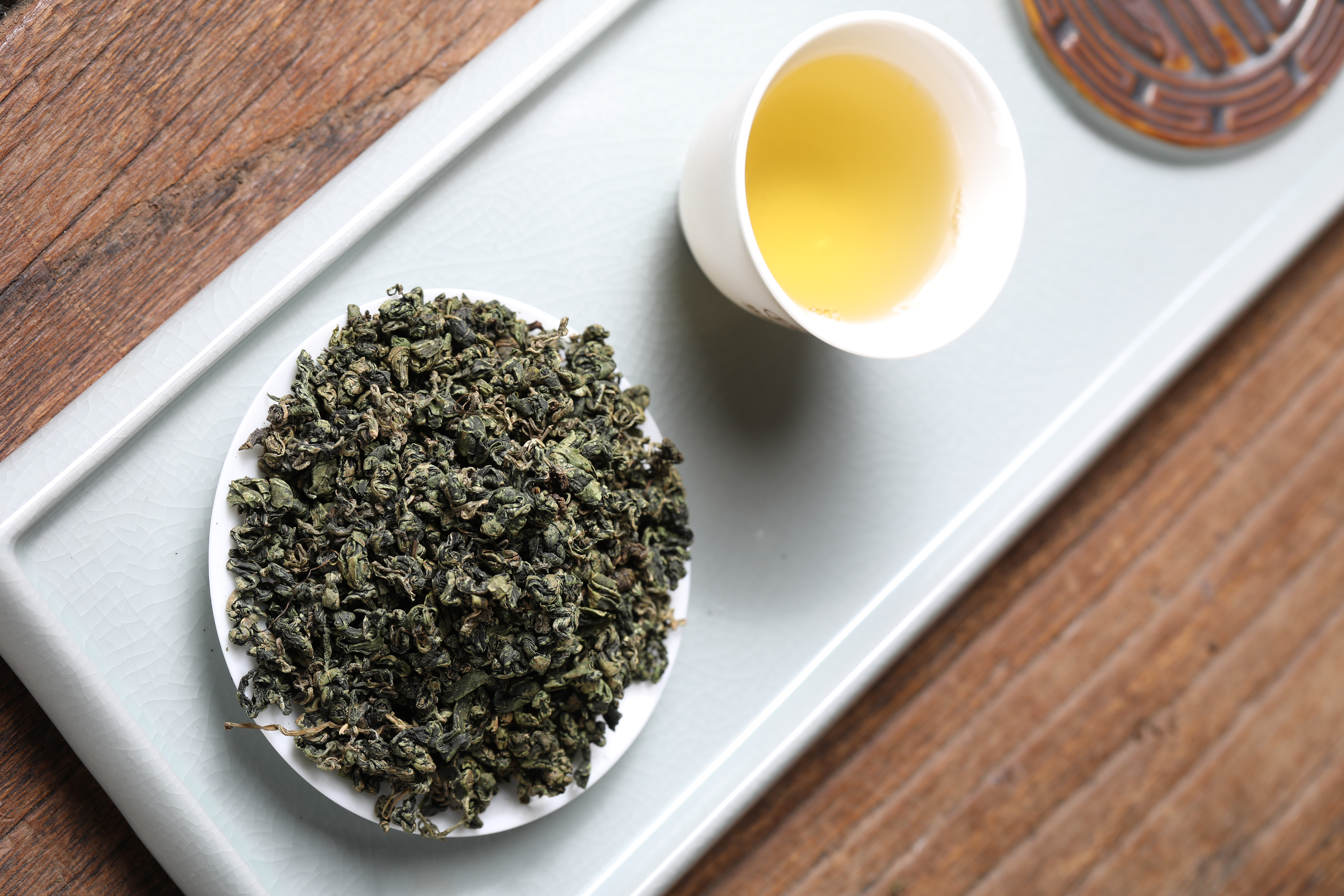
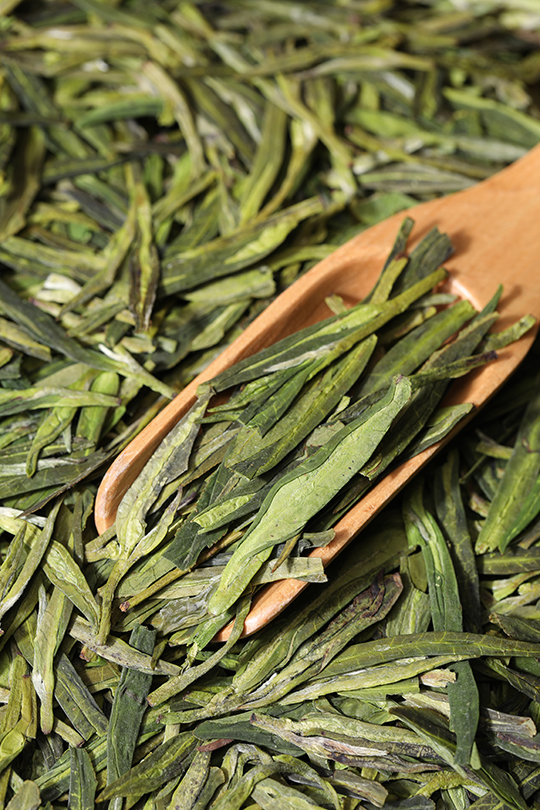
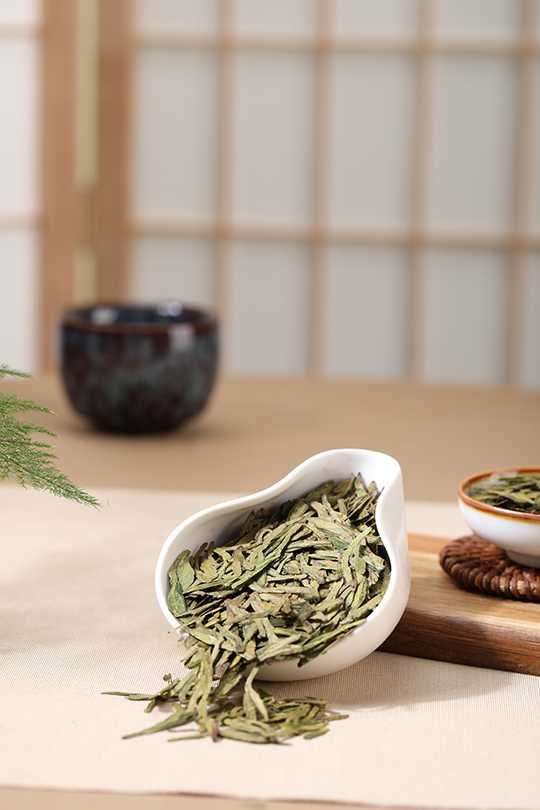
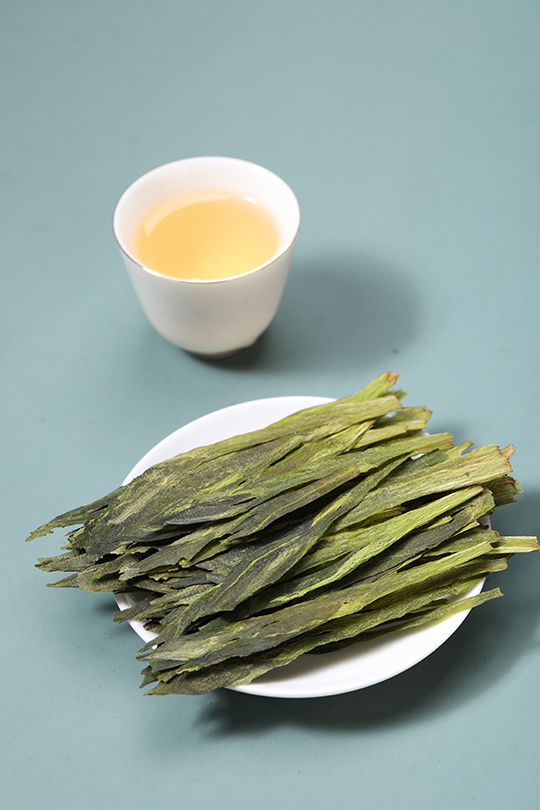
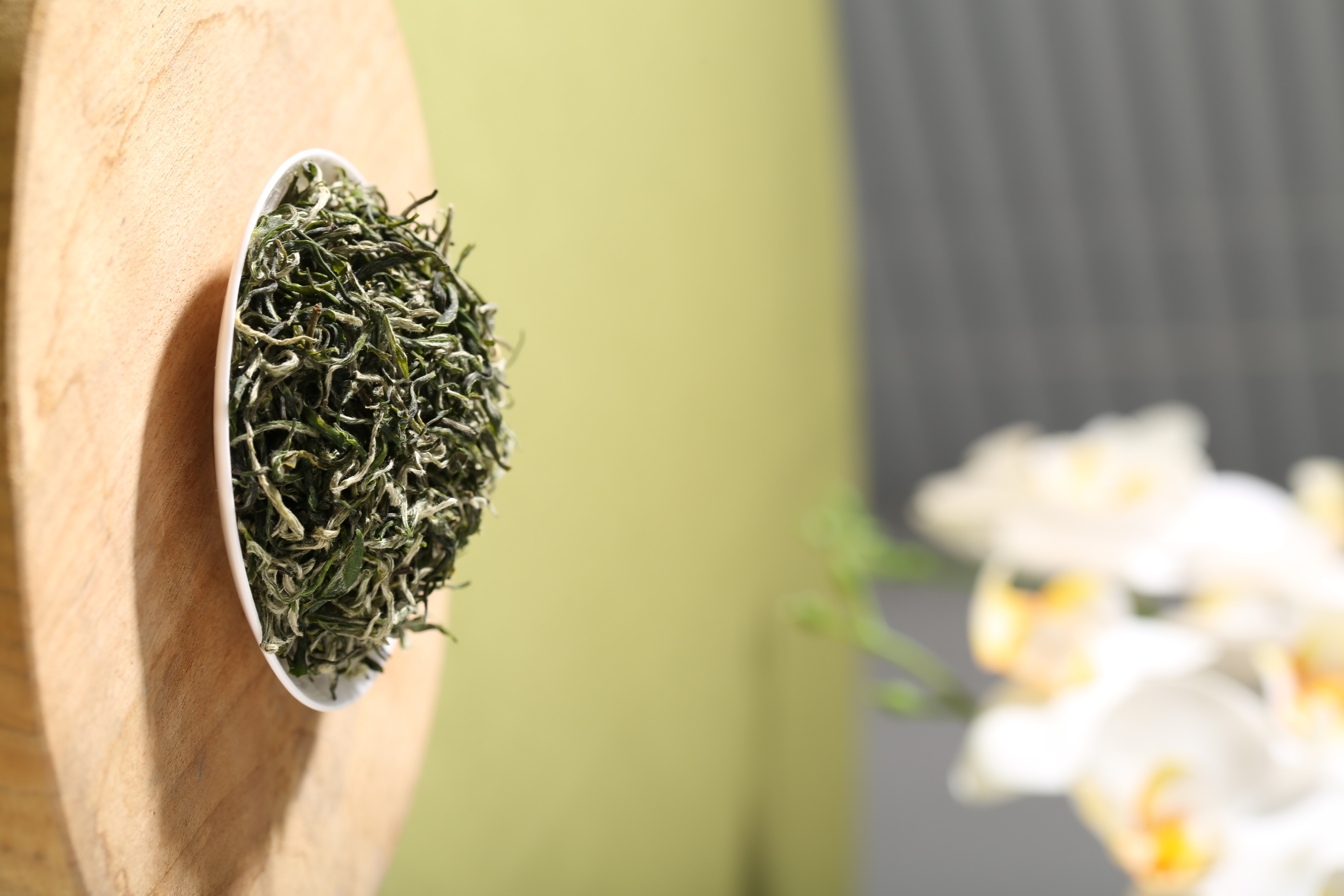
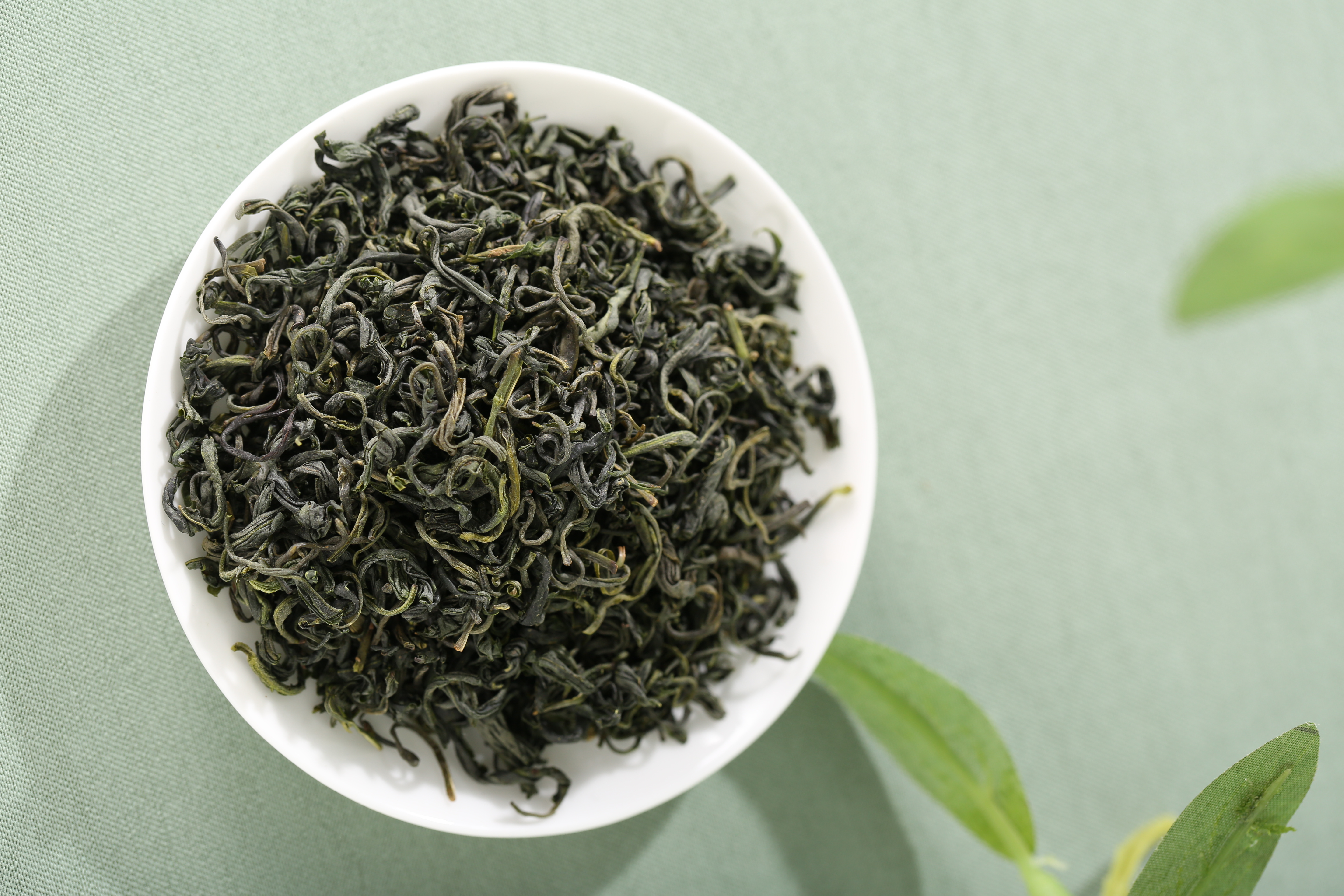
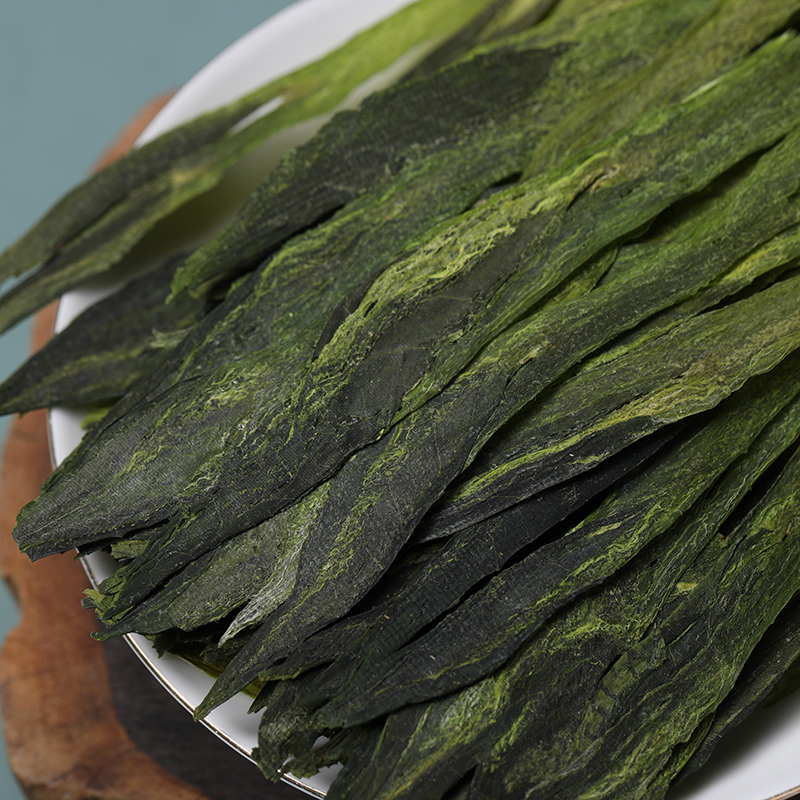
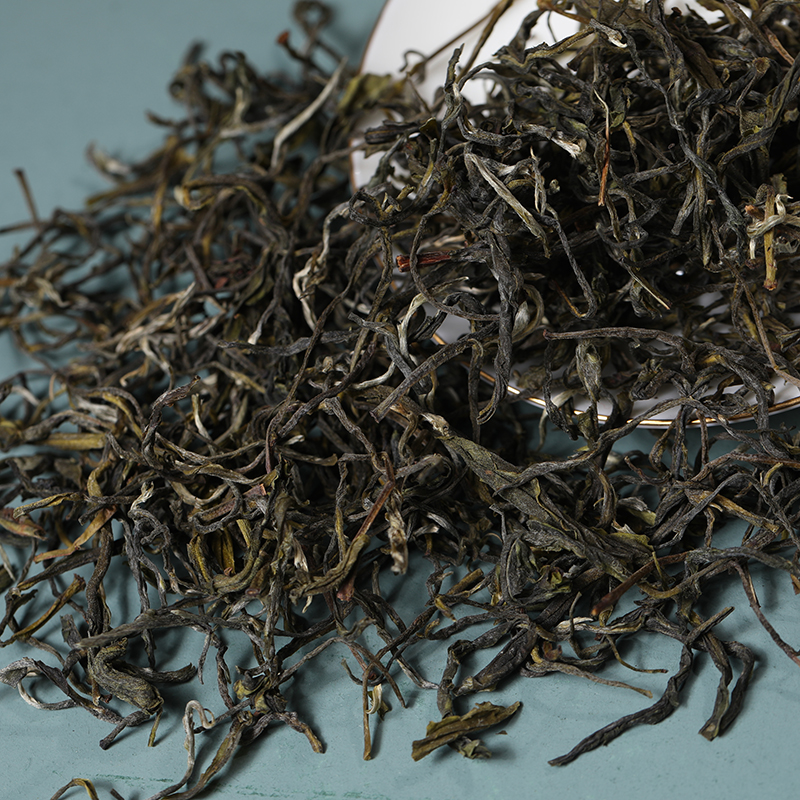
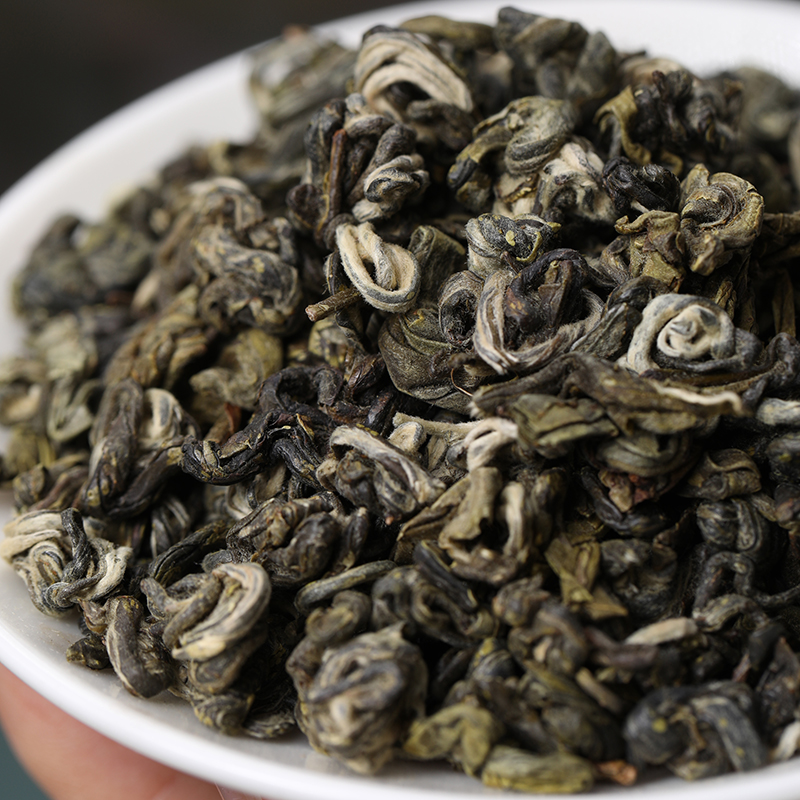
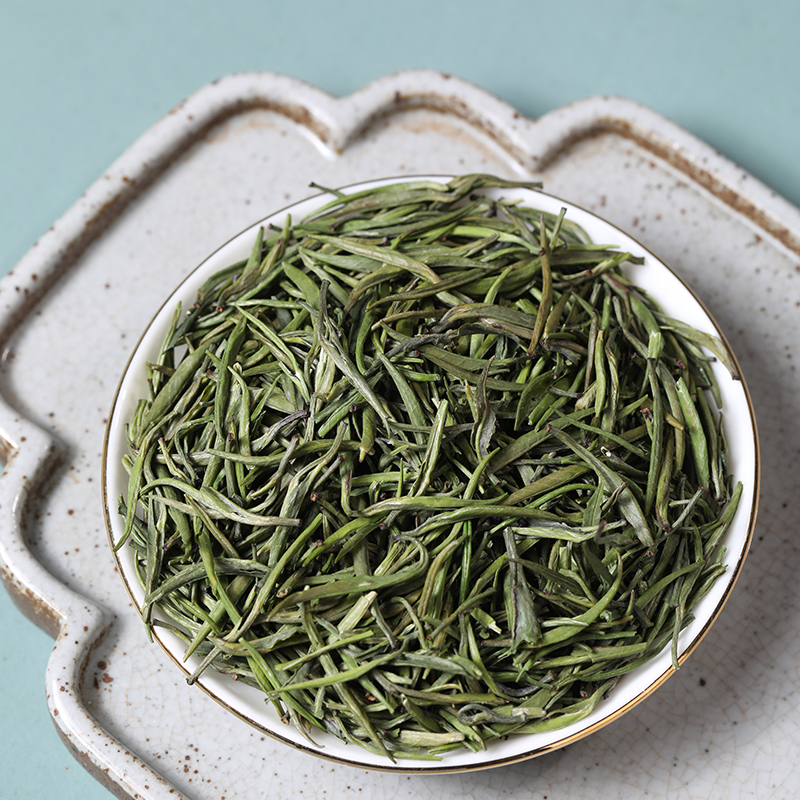
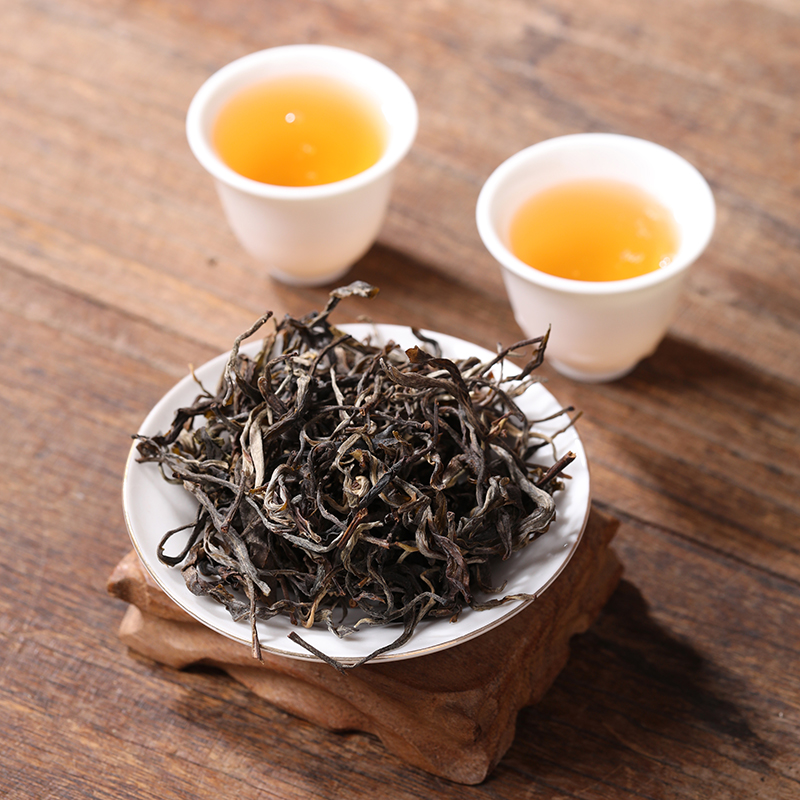
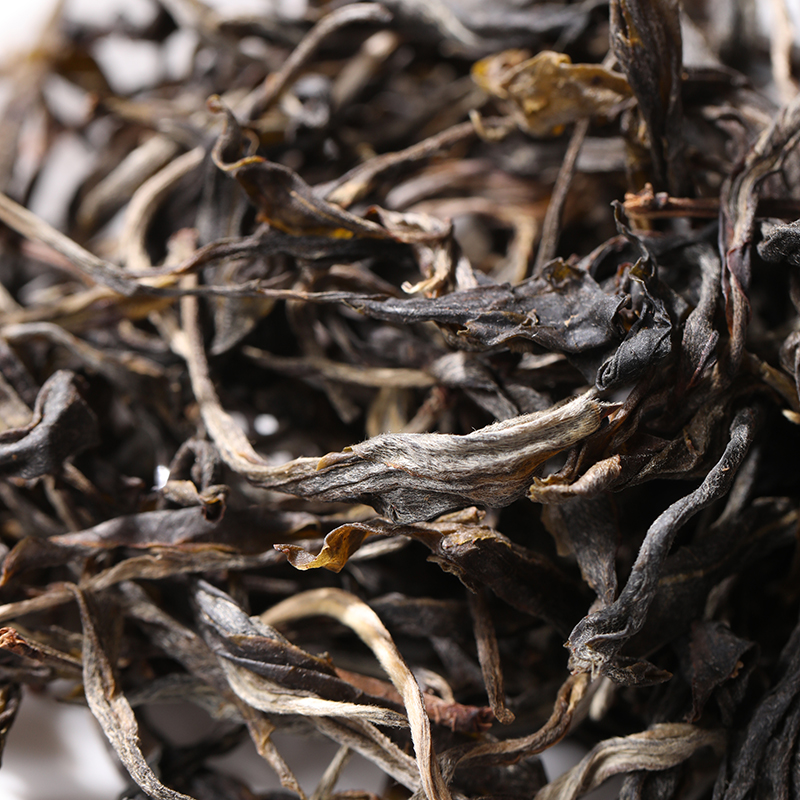
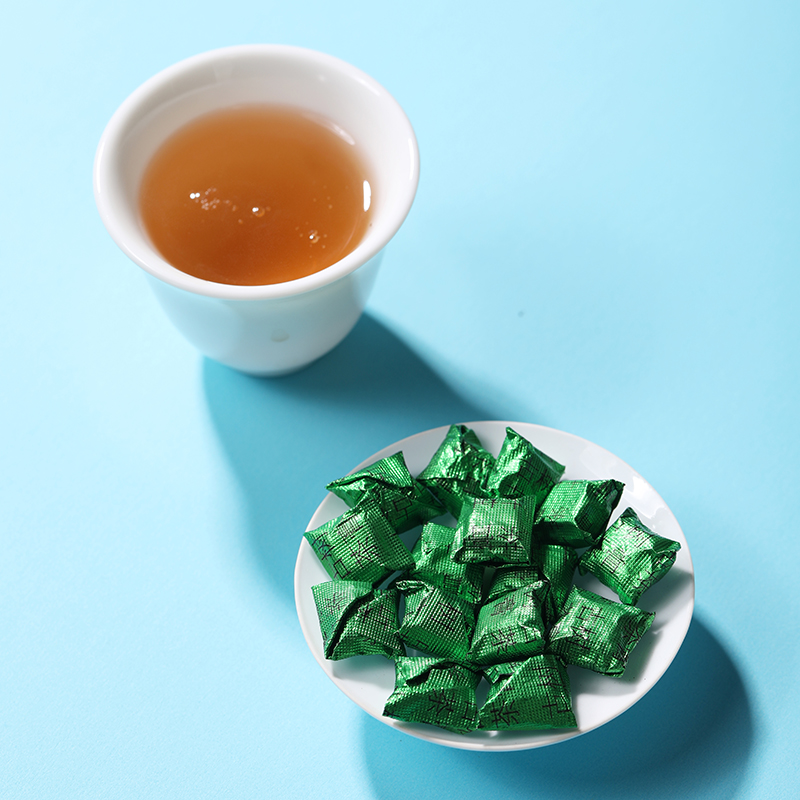
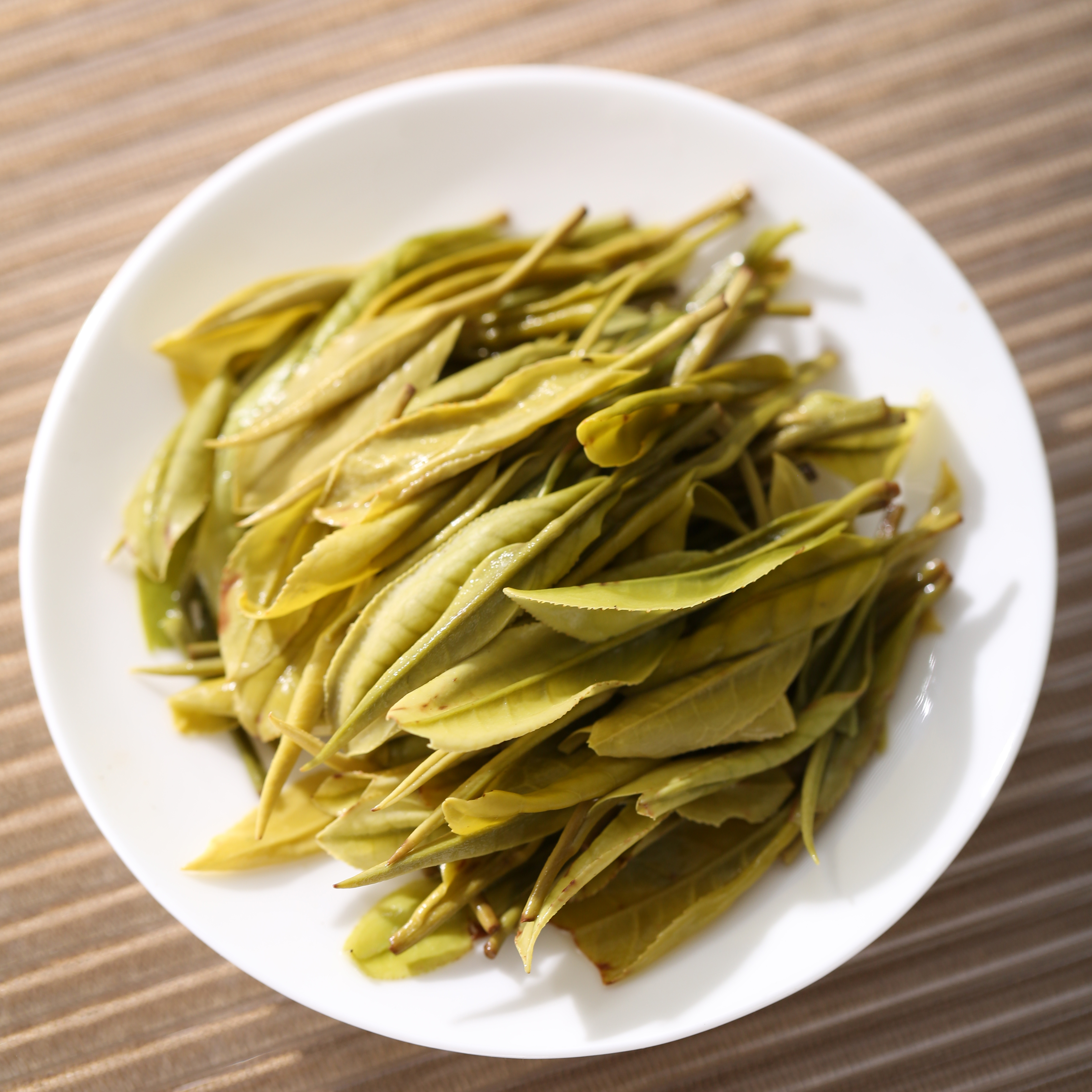
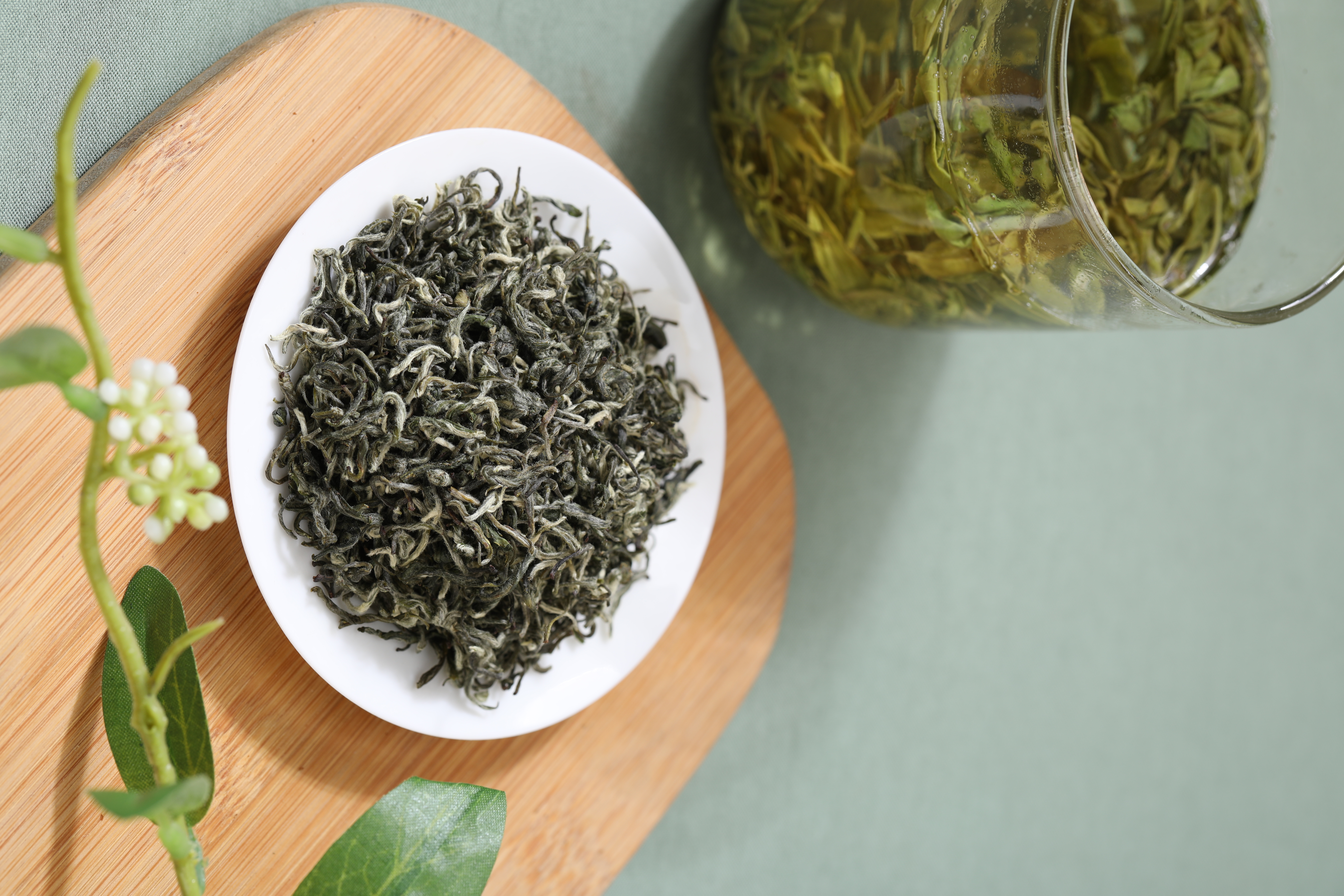
Green tea, also known as unfermented tea, has a fermentation degree of 0%, bright green color, fresh aroma, light taste, and a certain sweetness. It is mainly produced in Lincang, Baoshan, Simao, Dehong and Xishuangbanna Dai Autonomous Prefecture in Yunnan Province. The production process of green tea mainly includes the steps of killing green, rolling, and drying. It has tight strands and a green or brown color. After brewing, the soup color is bright yellow-green or bright green. The aroma is rich and pure or has bean fragrance, flower fragrance, etc. The taste is rich and mellow, and it has the characteristics of heavy bitterness but good aftertaste.There are many varieties of green tea, including Nannuo Baihao, Dianqing, Yiling Baohong Tea, Dianchi Yinhao, Fengqing Early Spring Green, Moguo Tea, Bamboo Tube Fragrant Tea, Yunnan Kunming Shilixiang, Biyunxian Tea and many other varieties. Among them, Nannuo Baihao, Yunnan Quluo and Luchun Mayu Tea are the best among green teas.Green tea is best brewed with boiling water at 80 to 90 degrees Celsius, and can generally be brewed 3 to 5 times. The amount of tea and the soaking time can be adjusted according to personal taste. In order to maintain its freshness and quality, the tea leaves should be stored in a dry, cool, ventilated place, away from direct sunlight and humid environment.

Yellow Tea

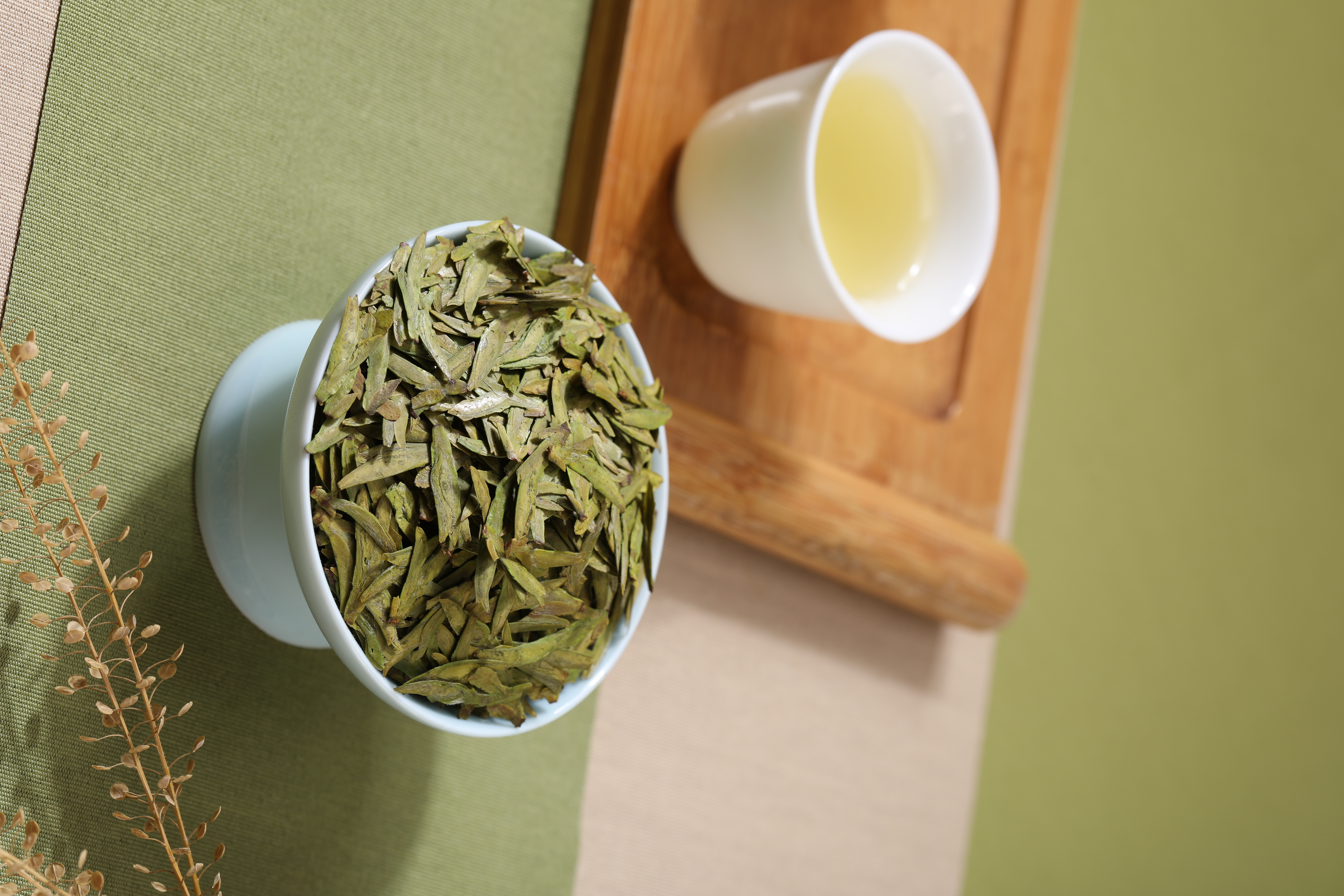
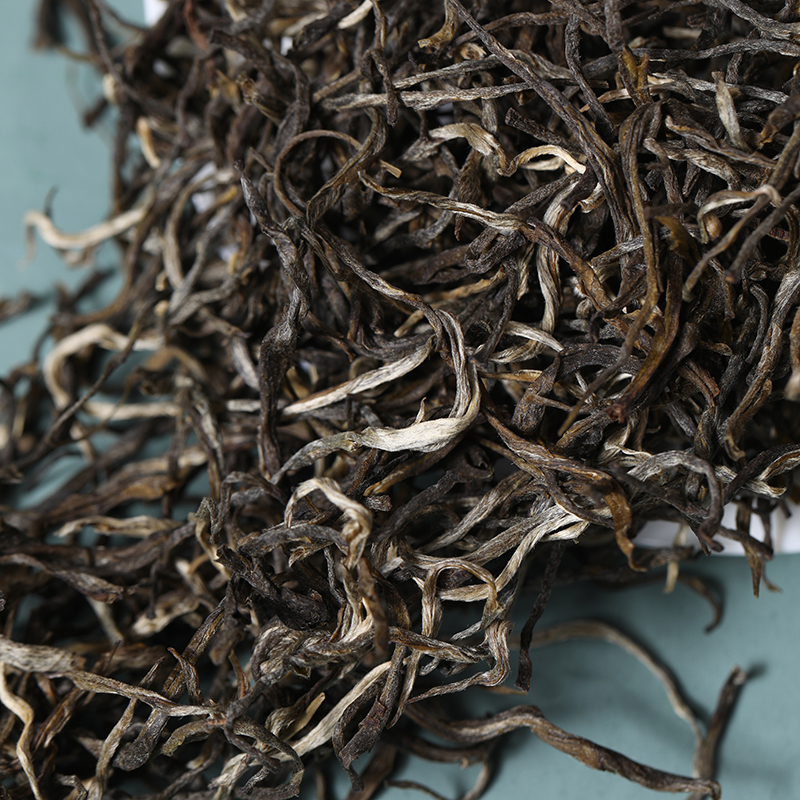
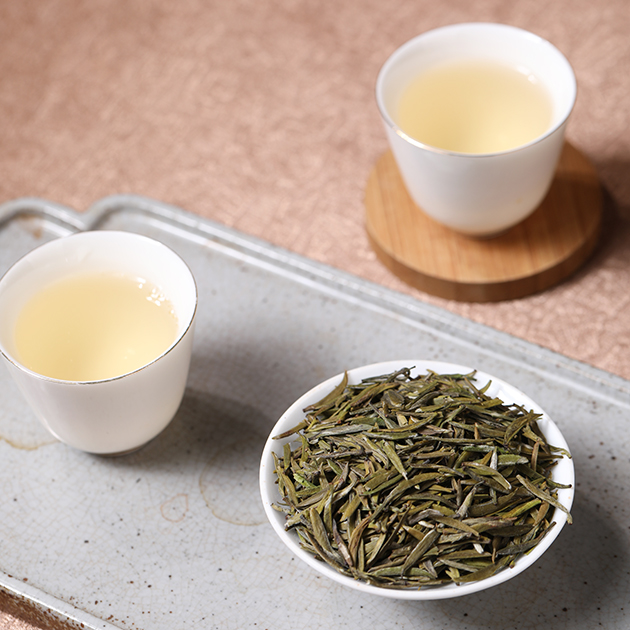
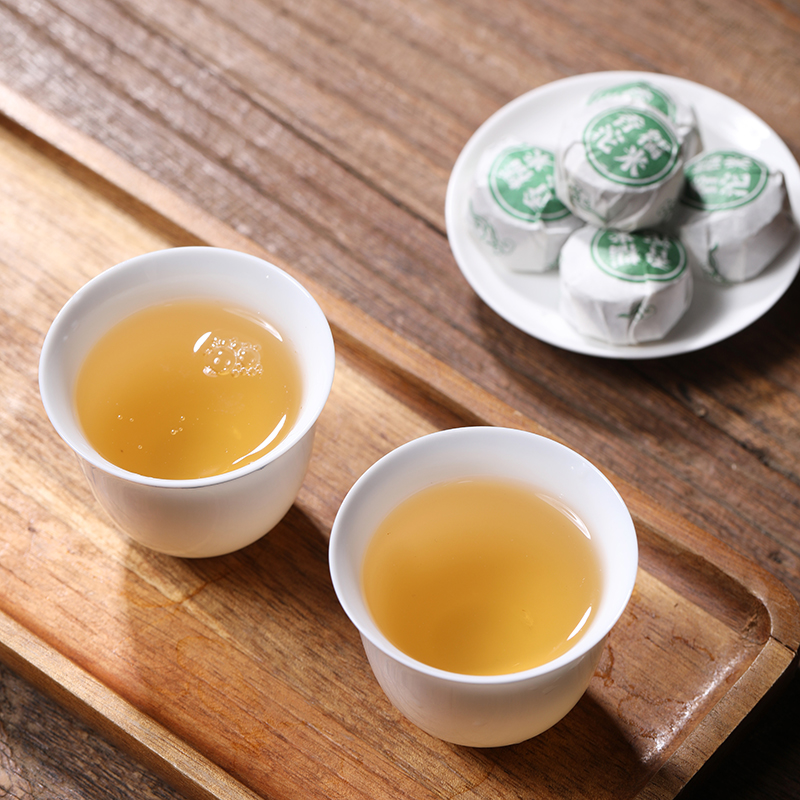
Yellow tea is a lightly fermented tea with a fermentation degree of 10-20%. It was discovered from stir-fried green tea that the leaves turned yellow due to insufficient or untimely drying after withering and rolling, so it became a new category. The current processing technology of yellow tea is similar to that of green tea, except that a "suffocating yellowing" process is added before or after the drying process to promote partial oxidation of polyphenols and chlorophyll. Yellow tea is divided into yellow bud tea, yellow small tea and yellow large tea according to the age of fresh leaves and the size of buds and leaves. The main producing areas of yellow tea are Hunan, Sichuan, Anhui, Zhejiang, Guangdong and other places in China. The color of the tea is golden and bright, and the most notable feature is "yellow soup and yellow leaves". The tea soup is apricot yellow and clear, and the taste is sweet and fresh, with a sweet aftertaste. Yellow tea is cool and slightly cold, so it is suitable for people with hot stomachs. In the hot summer weather, choosing yellow tea can also play a proper role in dispelling heat and relieving fever.

White Tea

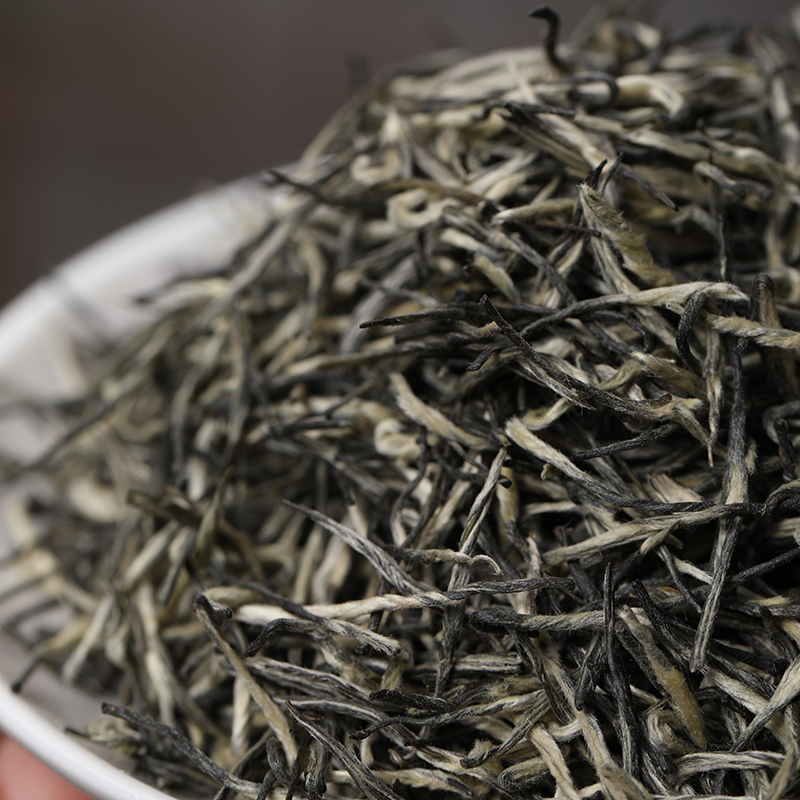
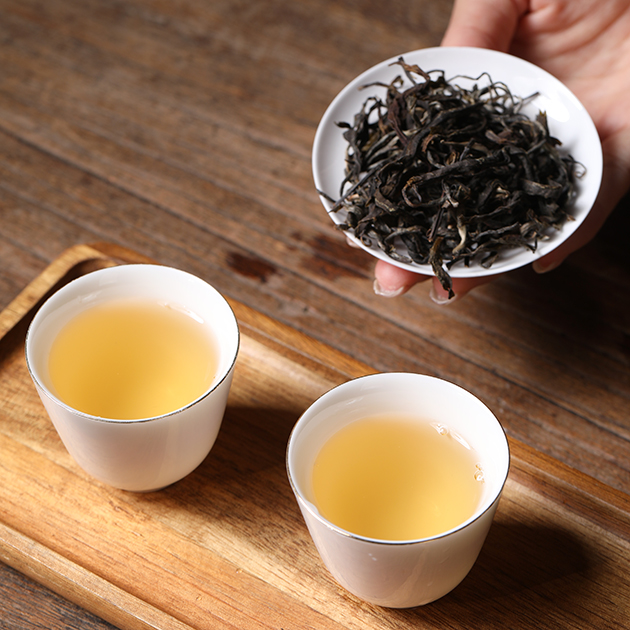
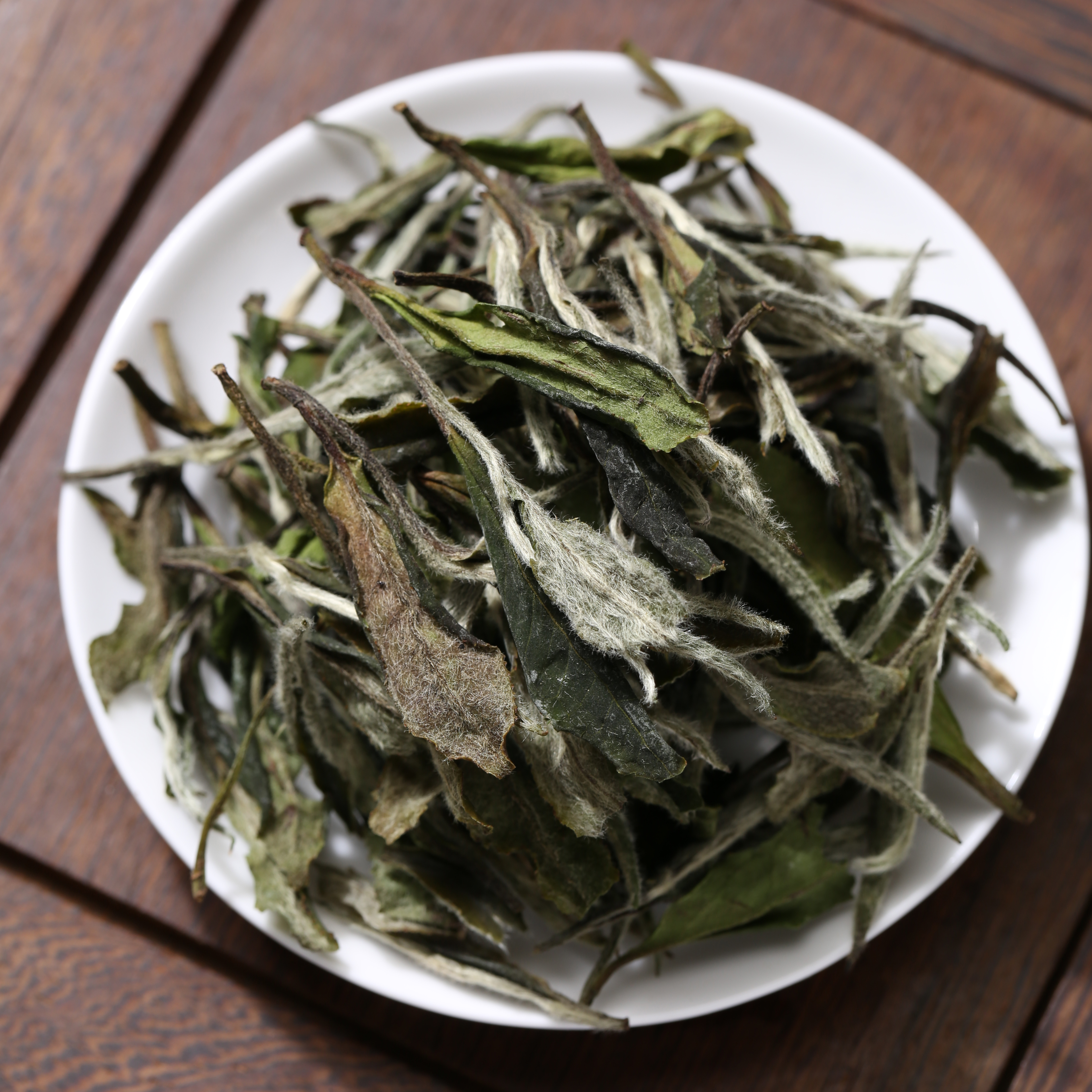
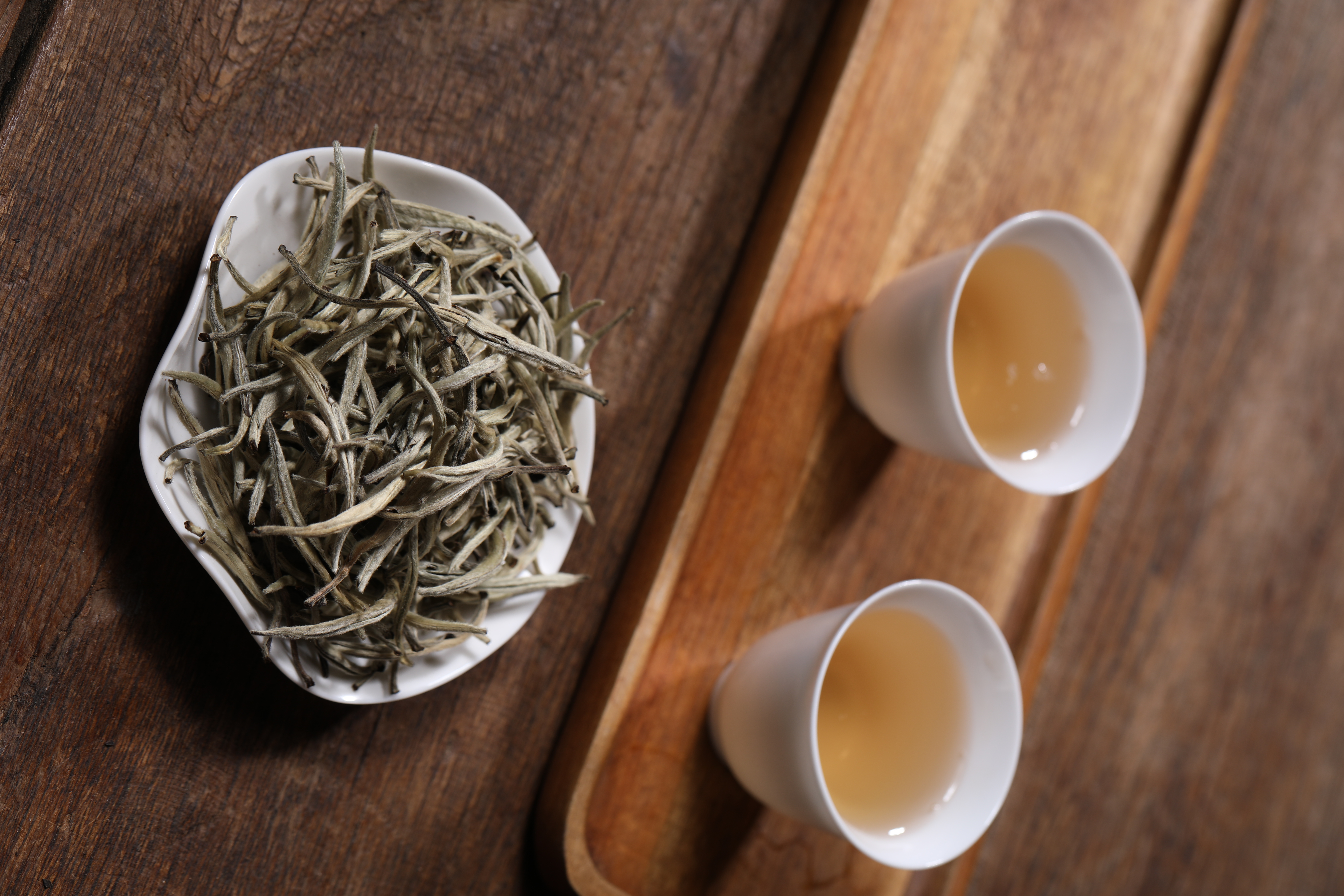
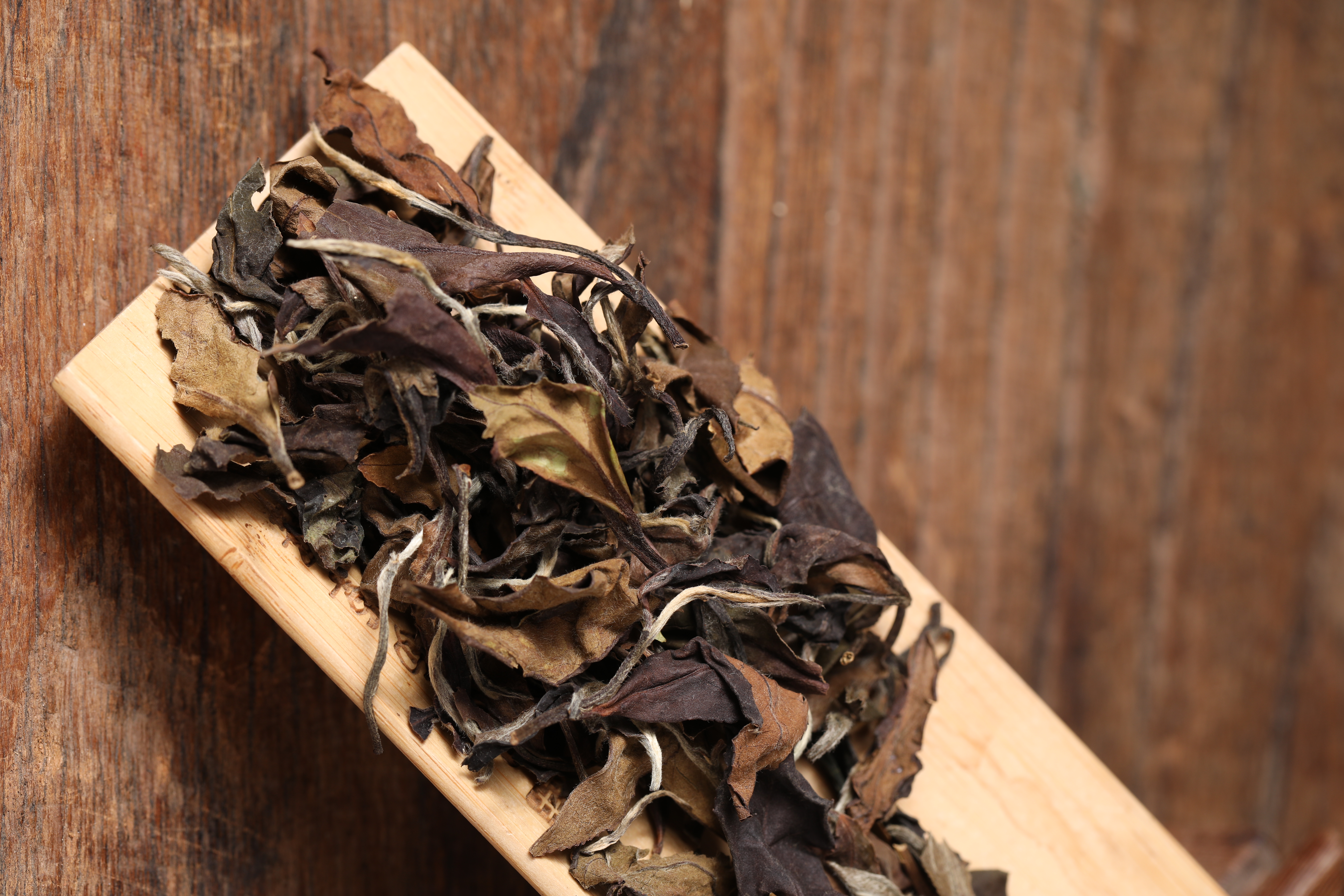
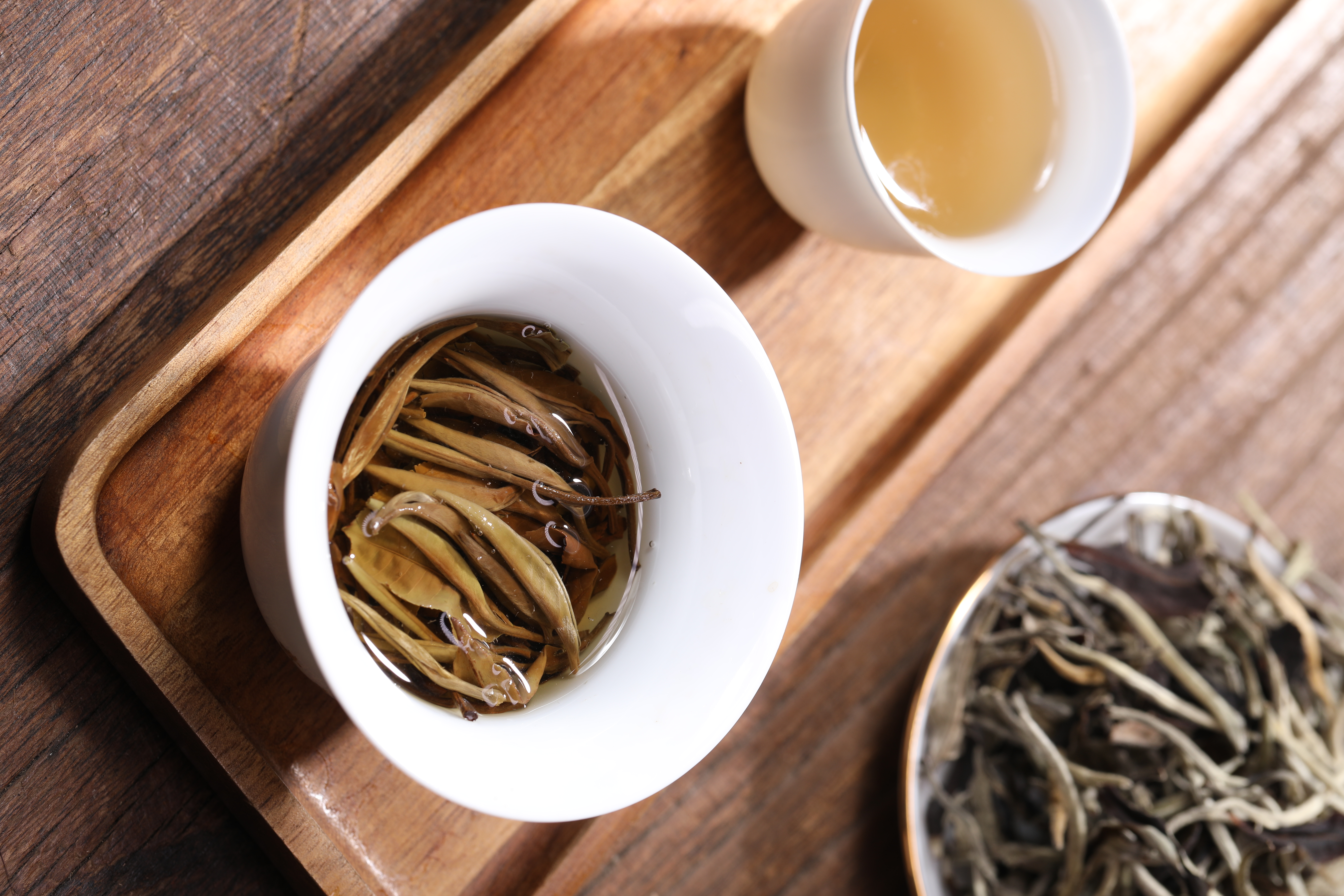
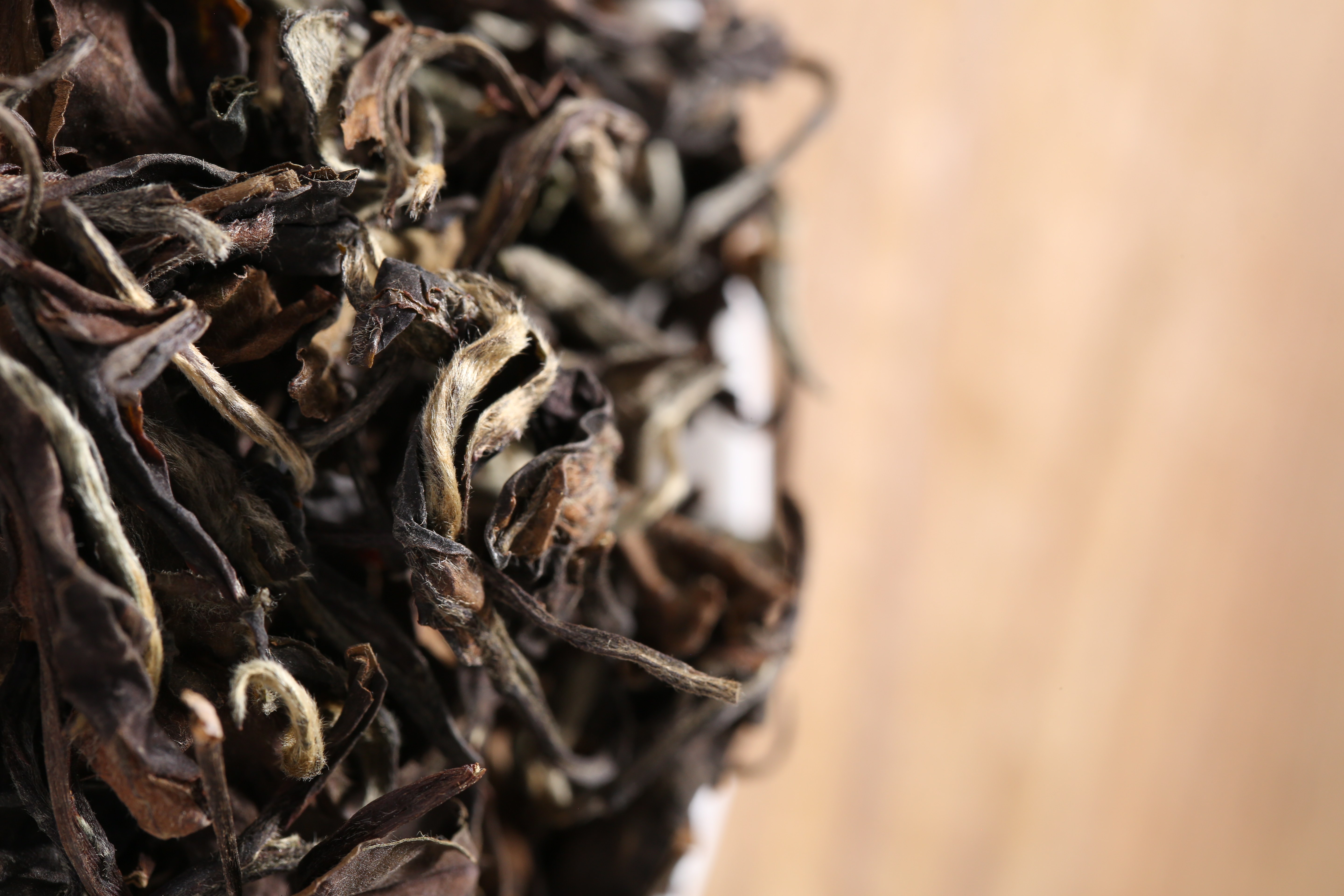
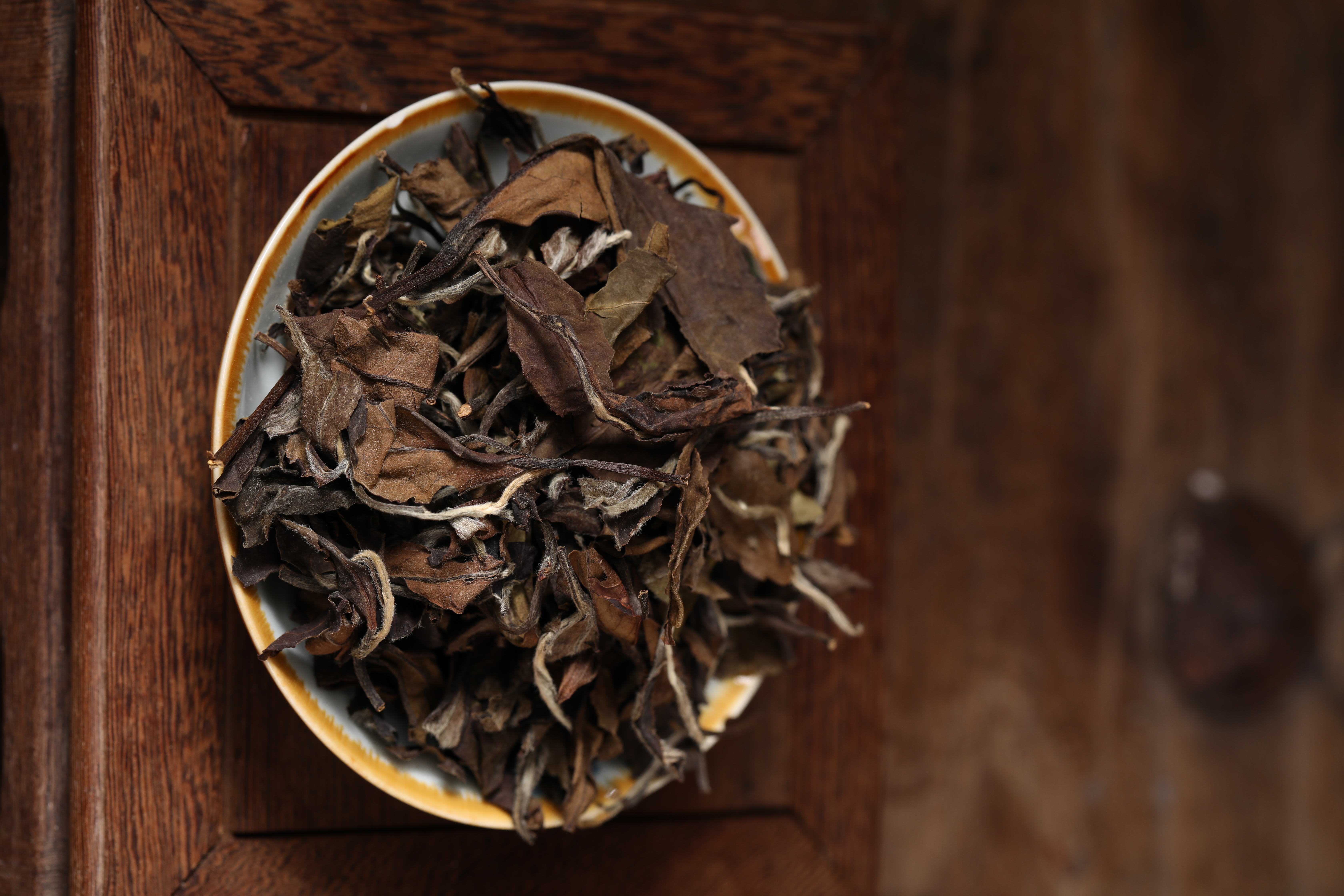
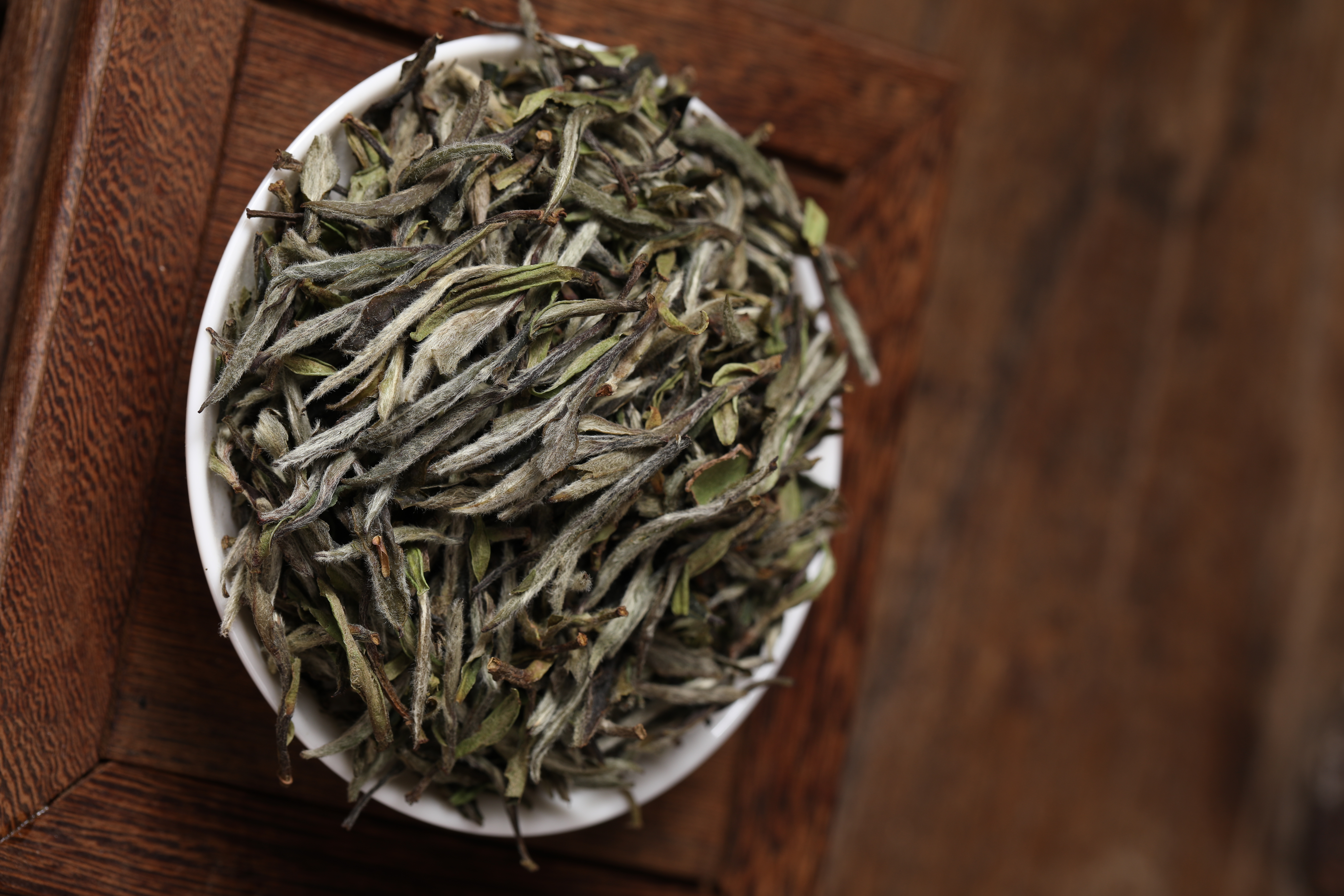
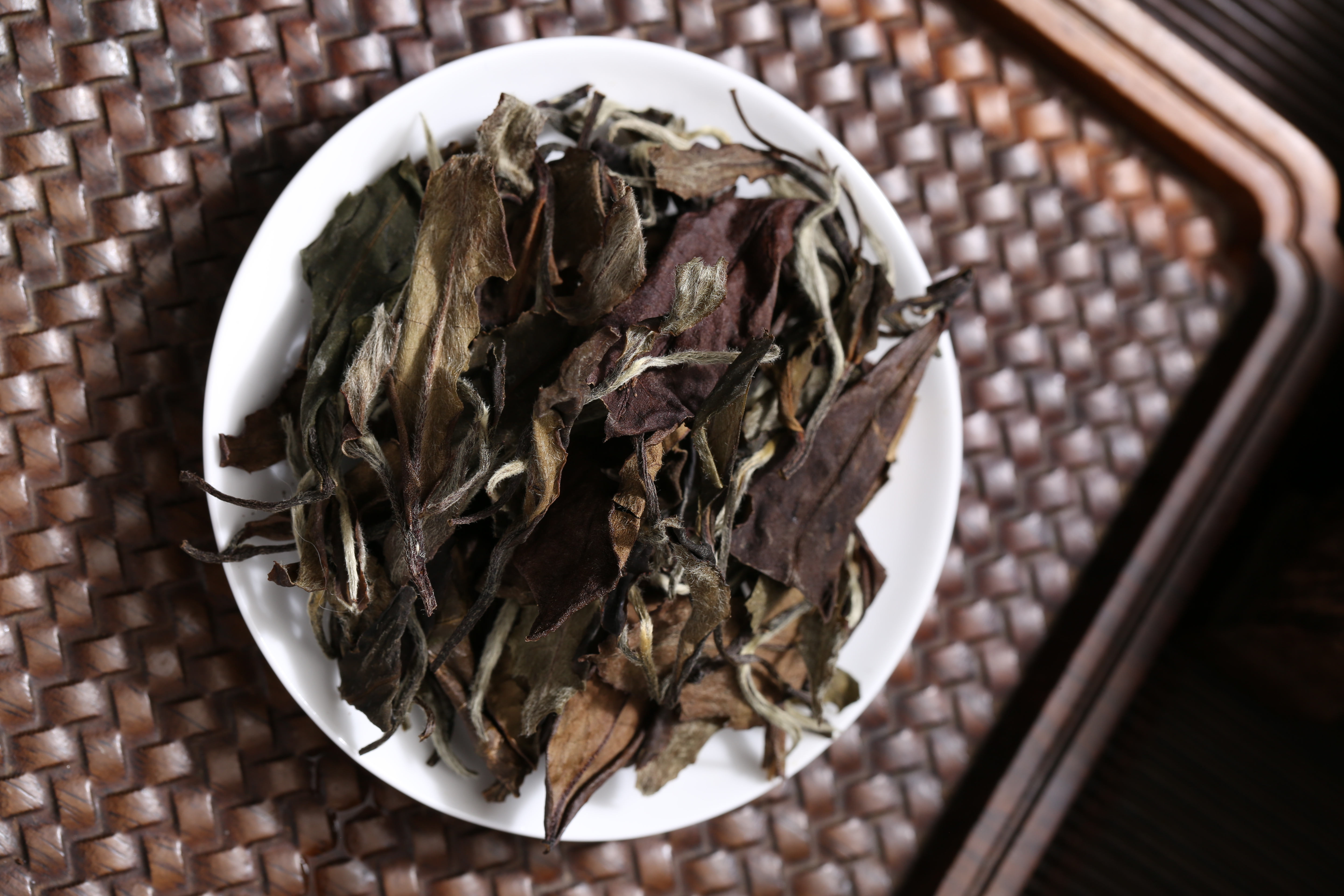
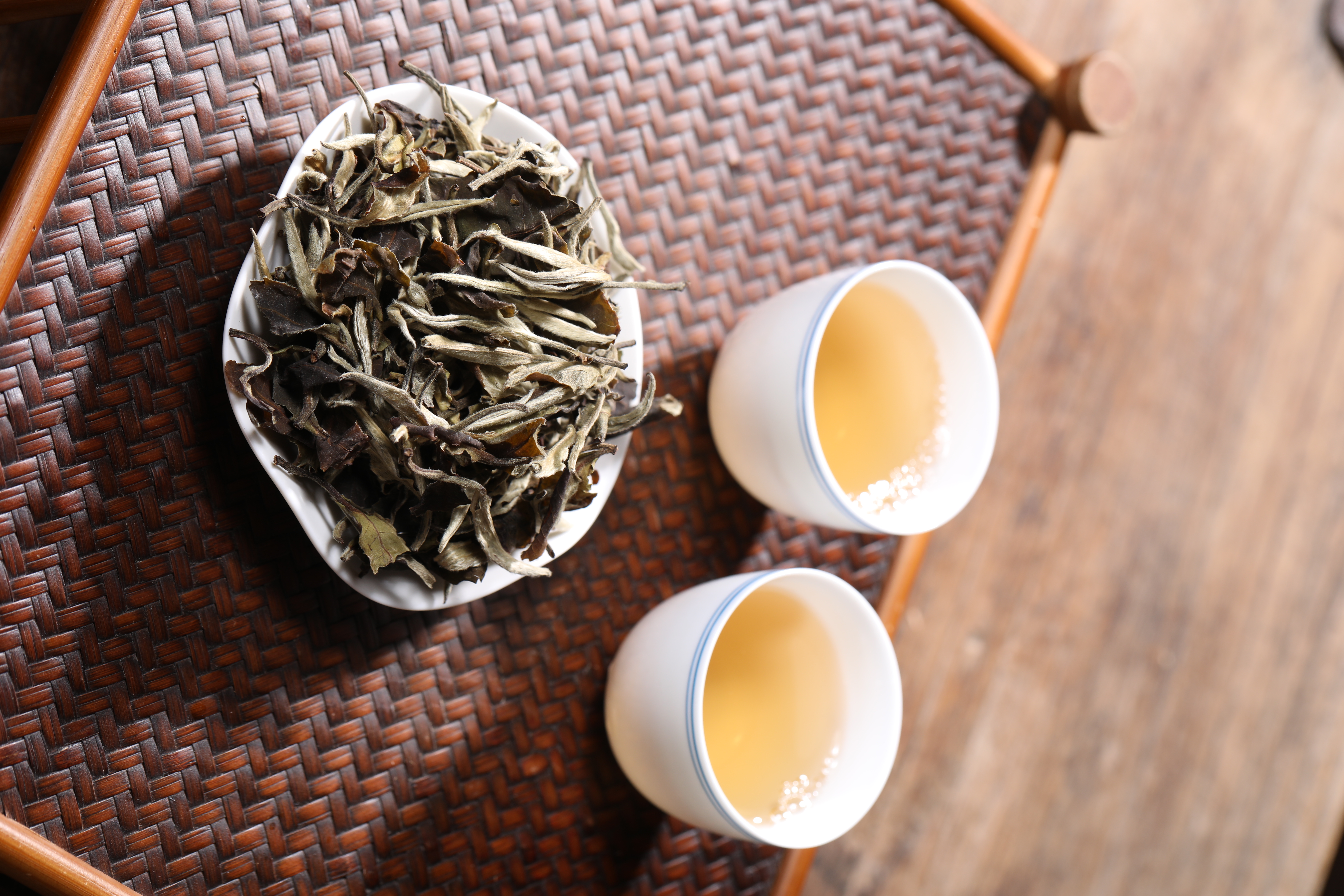
White tea is a slightly fermented tea with a fermentation degree of 20-30%. It is named because its finished tea is covered with white hairs, like silver and snow. There are many types of white tea, mainly including Baihao Yinzhen, Bai Mudan, Gongmei and Shoumei. The production process of white tea is relatively simple, with only steps such as picking, withering and drying, which retains the original fragrance and nutrients of tea leaves and has unique pharmacological effects. In traditional Chinese culture, white tea is regarded as a treasure among teas. Because of its rich content of antioxidants such as tea polyphenols and catechins, it is known as "one year tea, three years medicine, seven years treasure".White tea has the quality characteristics of complete bud hairs, full of hairs, fresh hair fragrance, clear yellow-green soup color, and light and sweet taste. The new tea is cool but not cold, with a fresh, pure and sweet taste, and rich hair fragrance and floral fragrance; the old tea becomes peaceful or even mild, with a mellow and silky taste, and has a unique jujube and medicinal fragrance. There are various ways to brew white tea, including hot brewing, boiling tea and cold brewing. Hot brewing is suitable for new and old teas, boiling is more suitable for old teas, and cold brewing is suitable for summer drinking.

Oolong Tea

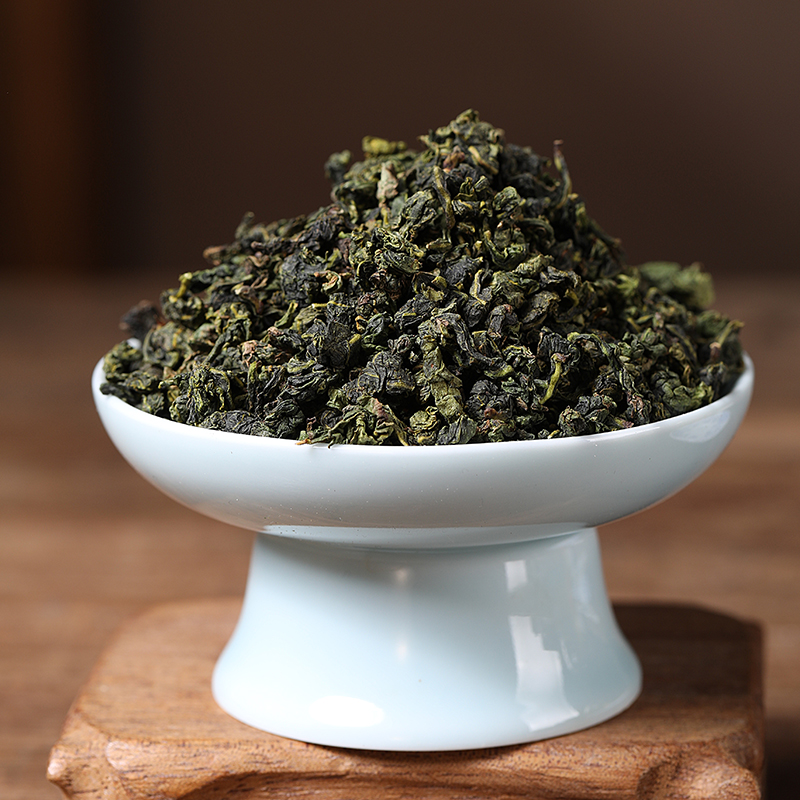
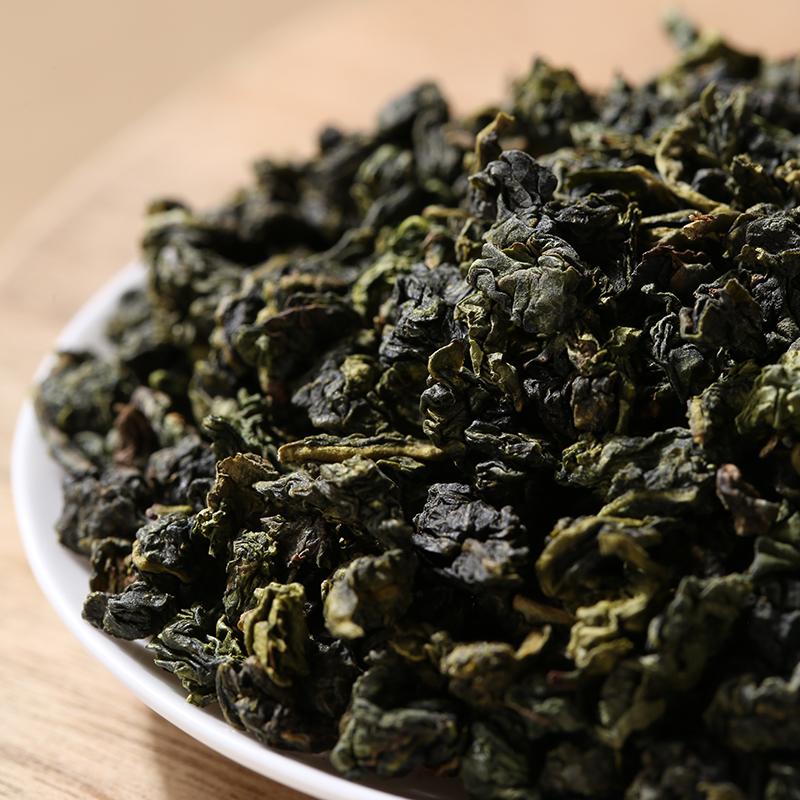
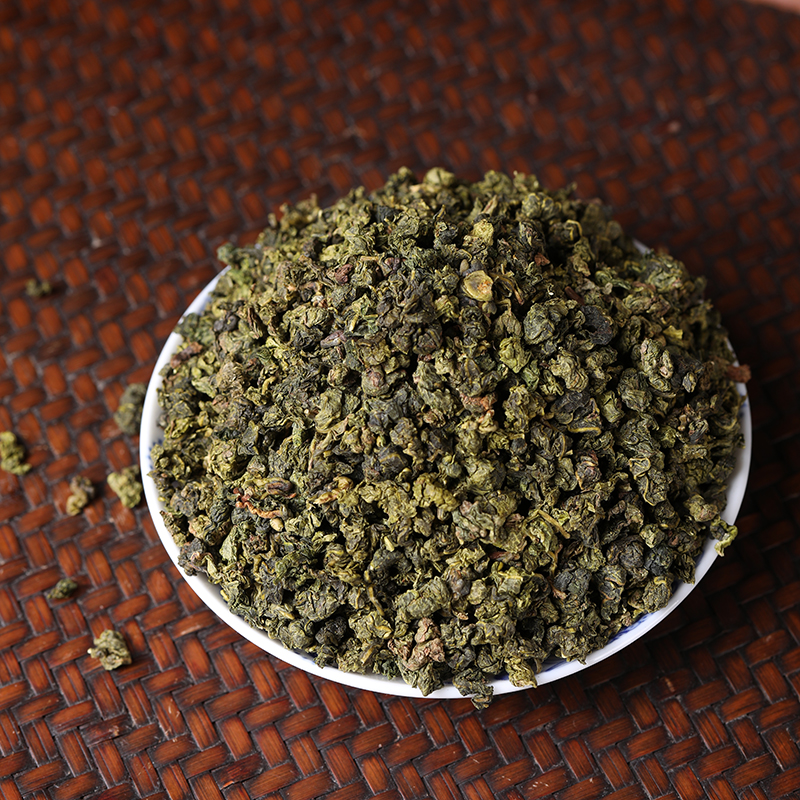
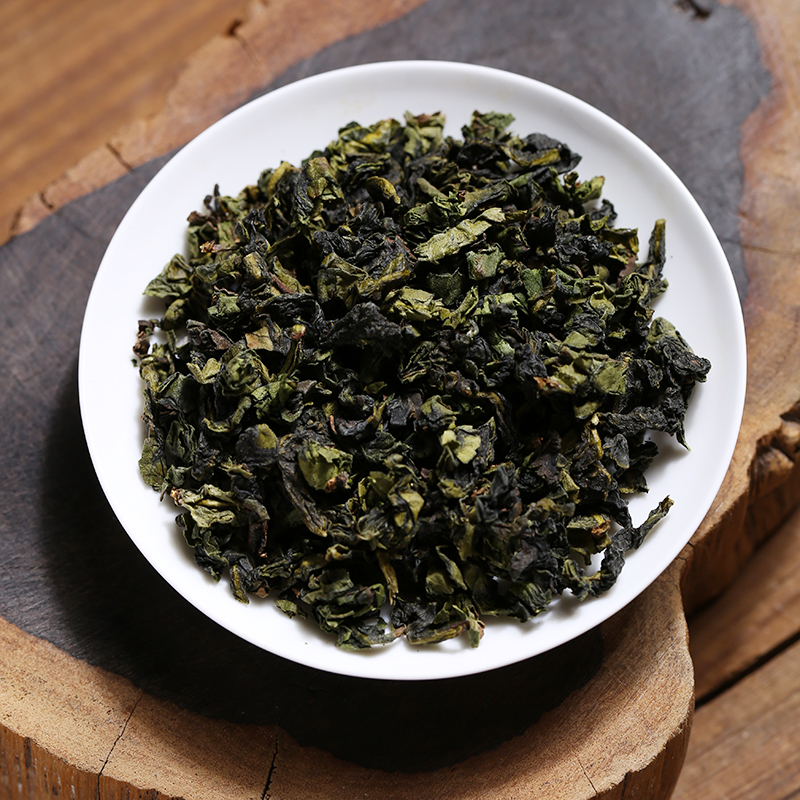
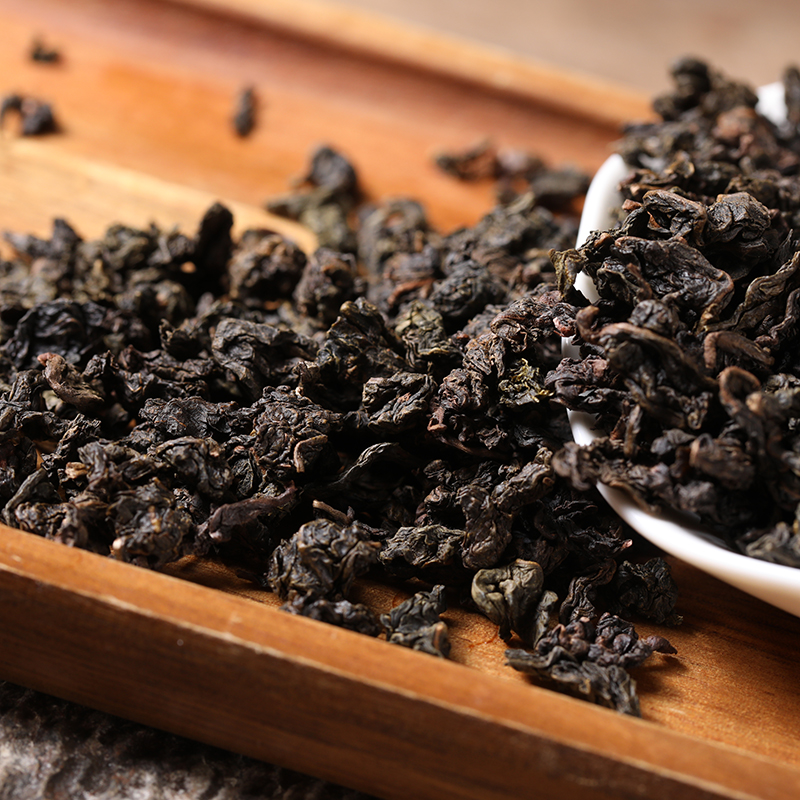
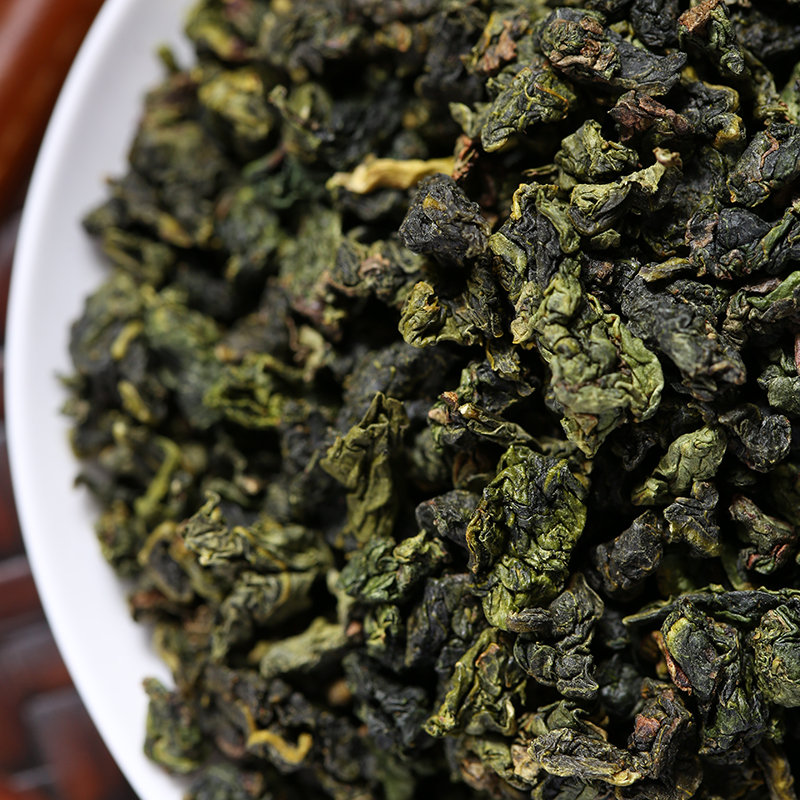
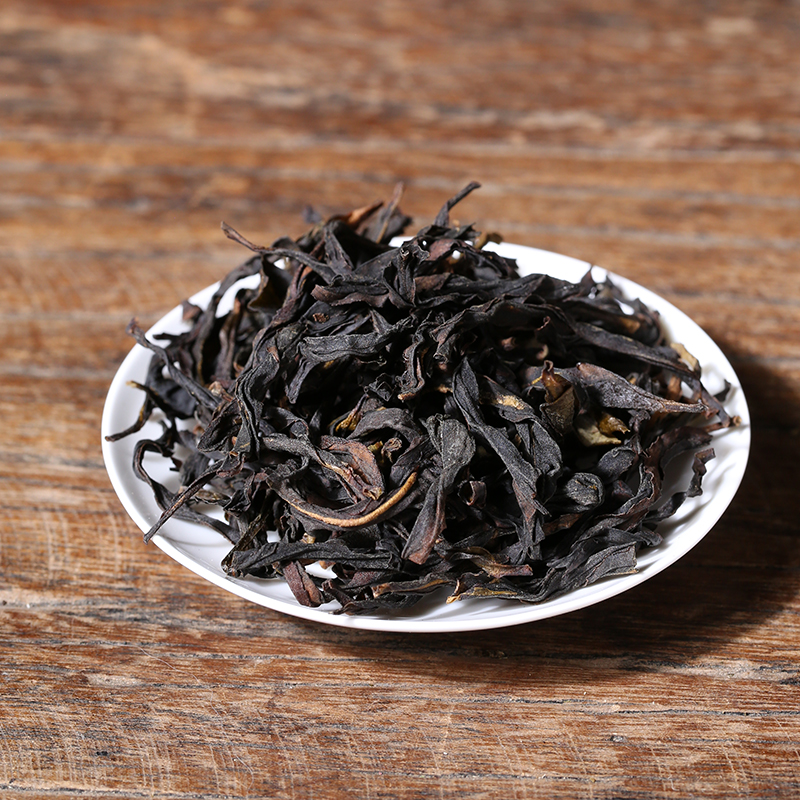
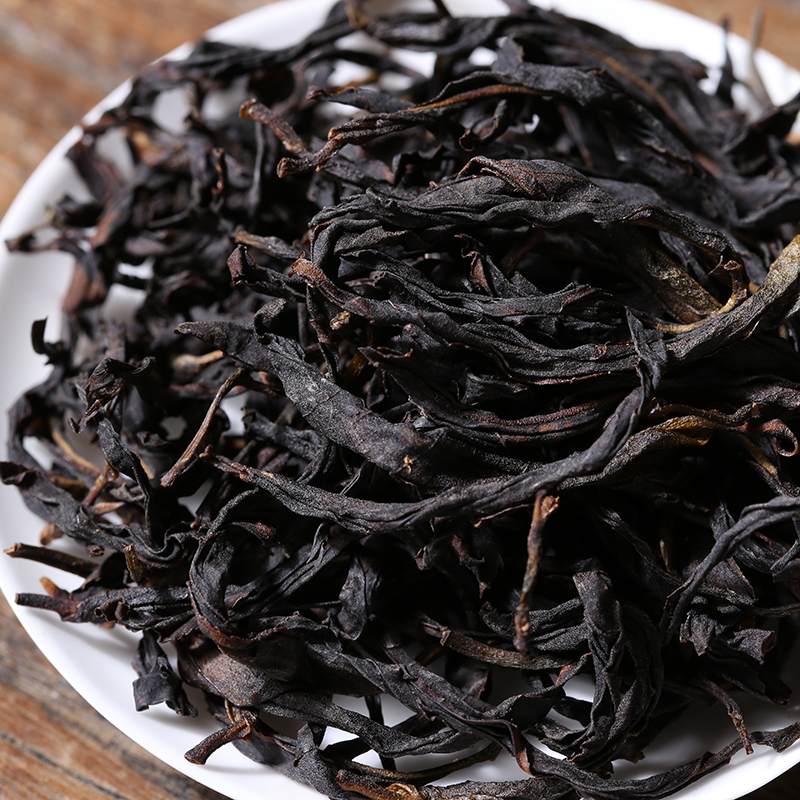
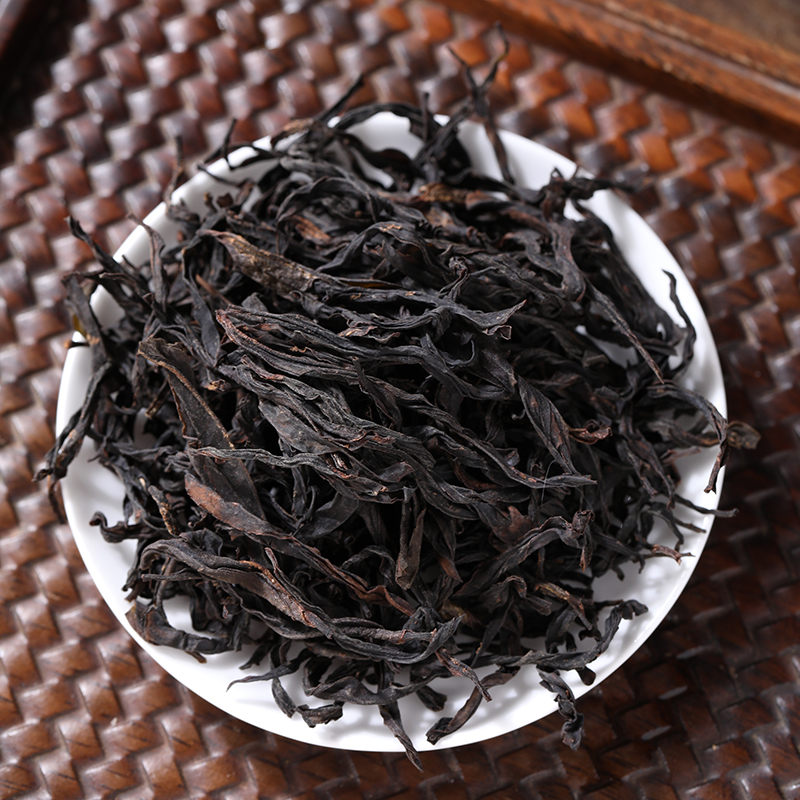
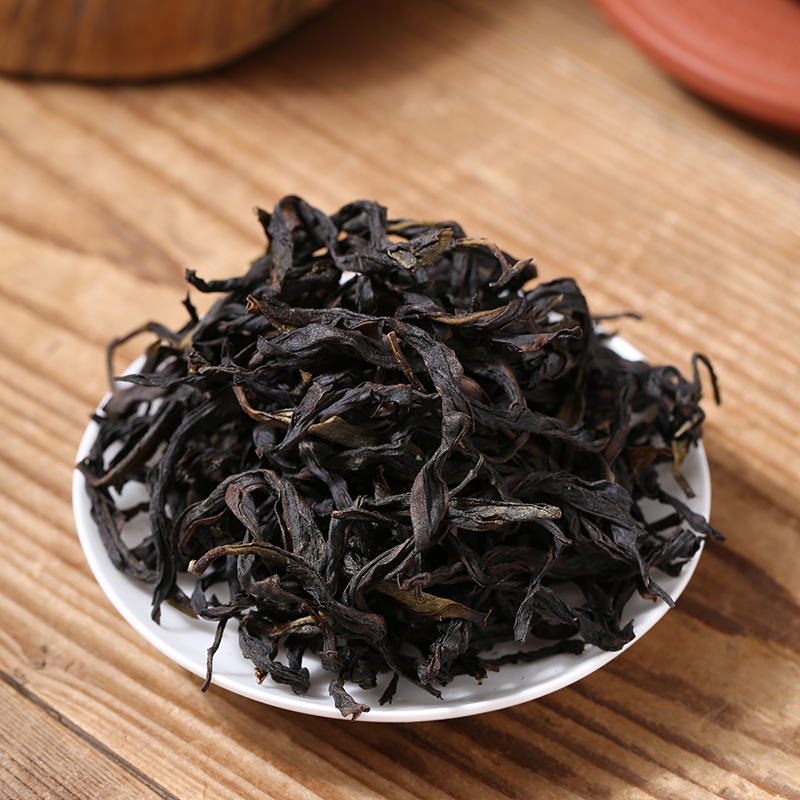
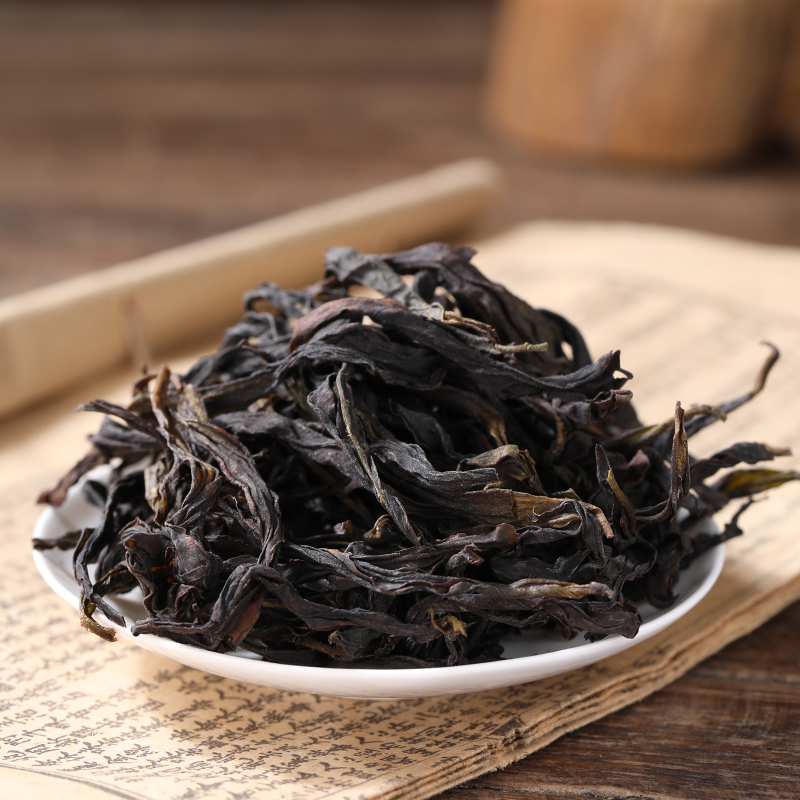
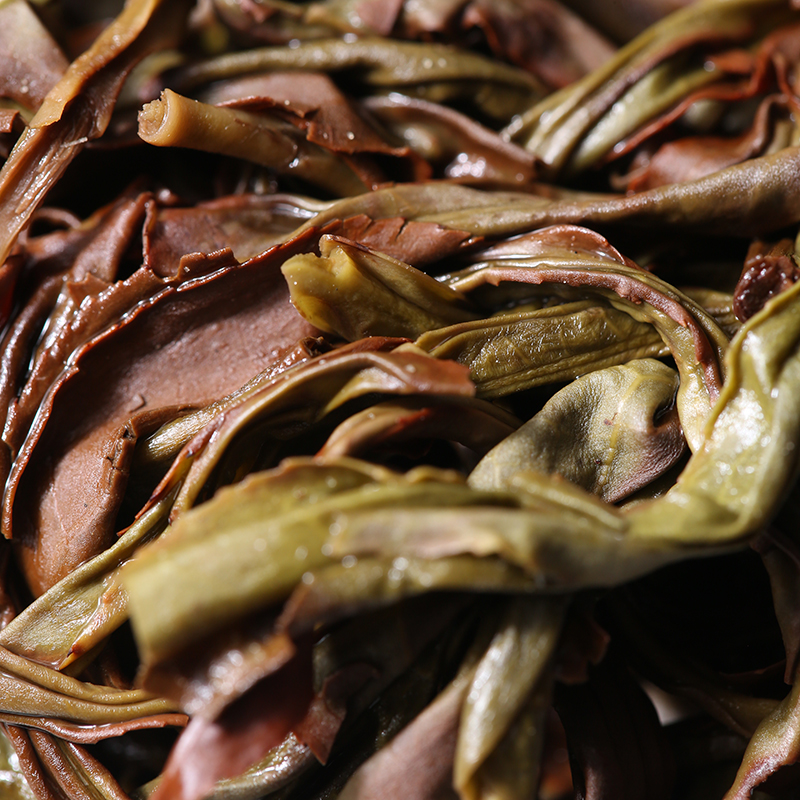
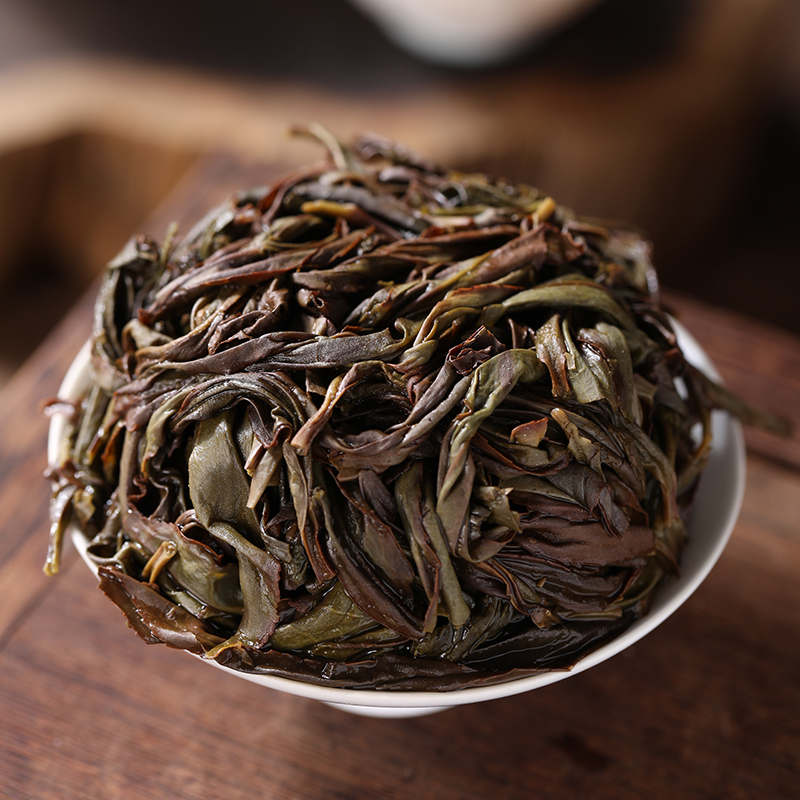
Oolong Tea has a fermentation degree of 30-60%. It is a semi-fermented tea with a fermentation degree between green tea and black tea. It has both the fragrance of green tea and the mellowness of black tea. It has green leaves with red edges, rich aroma, mellow taste, and unique characteristics. There are many types of Oolong Tea, such as Wuyi Rock Tea, Narcissus and Cinnamon in northern Fujian, Tieguanyin and Huangjingui in southern Fujian, Fenghuang Dancong and Fenghuang Narcissus in Guangdong, and Dongding Oolong and Oriental Beauty in Taiwan. These Oolong Teas have their own characteristics, some have rich aroma, some have mellow taste, some have golden soup color, and some have red leaf bottom edges, which are deeply loved by tea lovers.

Black tea

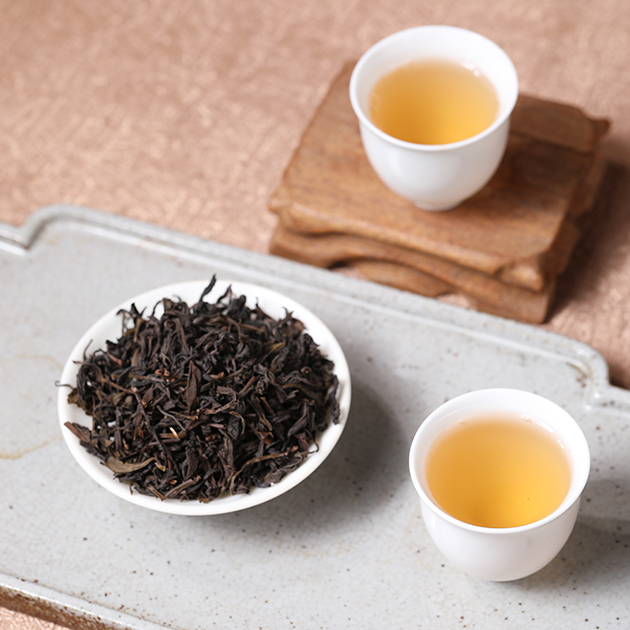
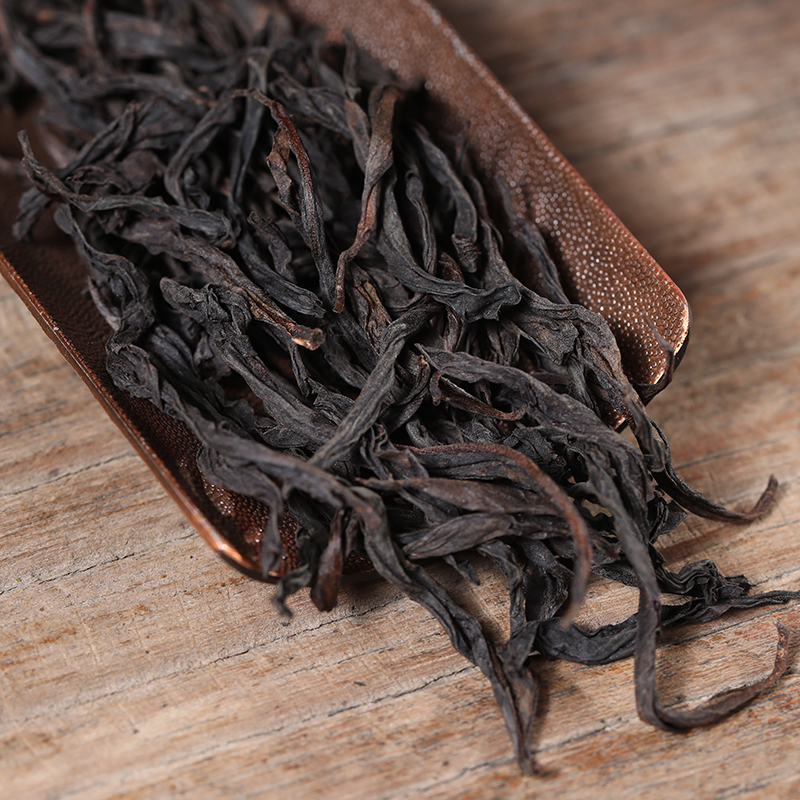
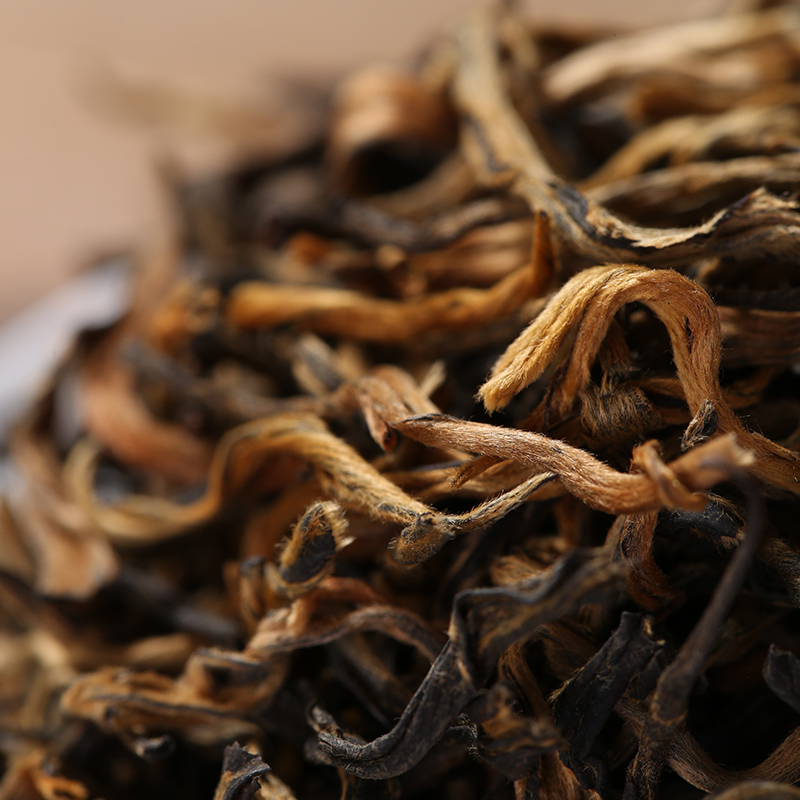
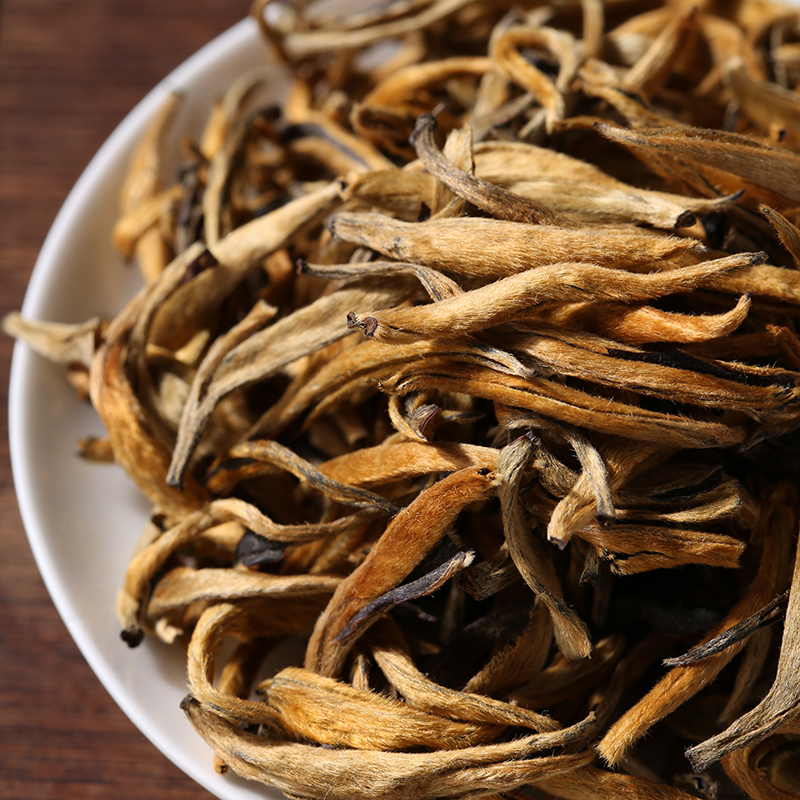
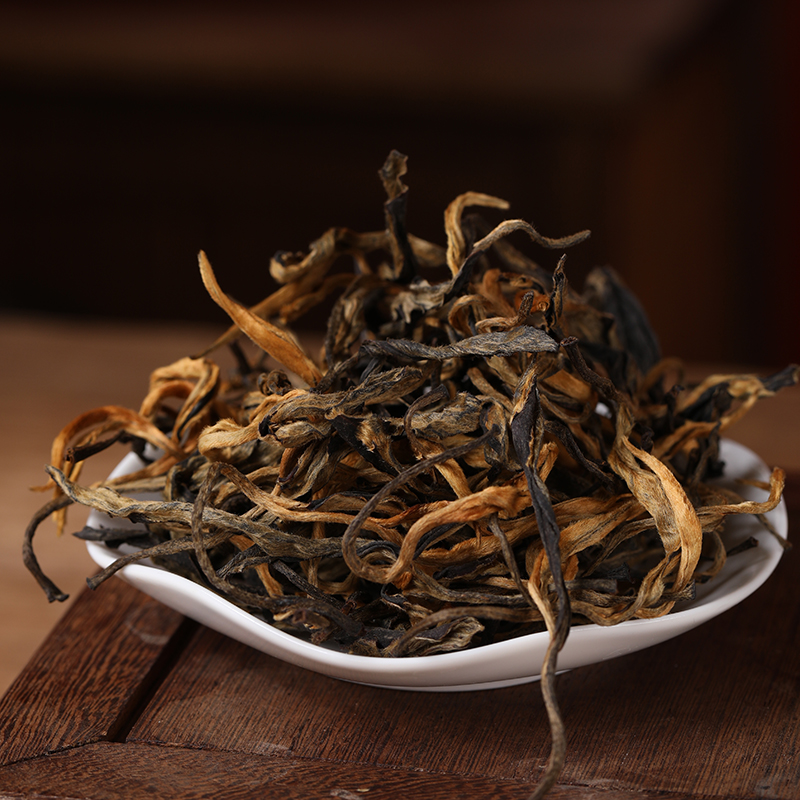
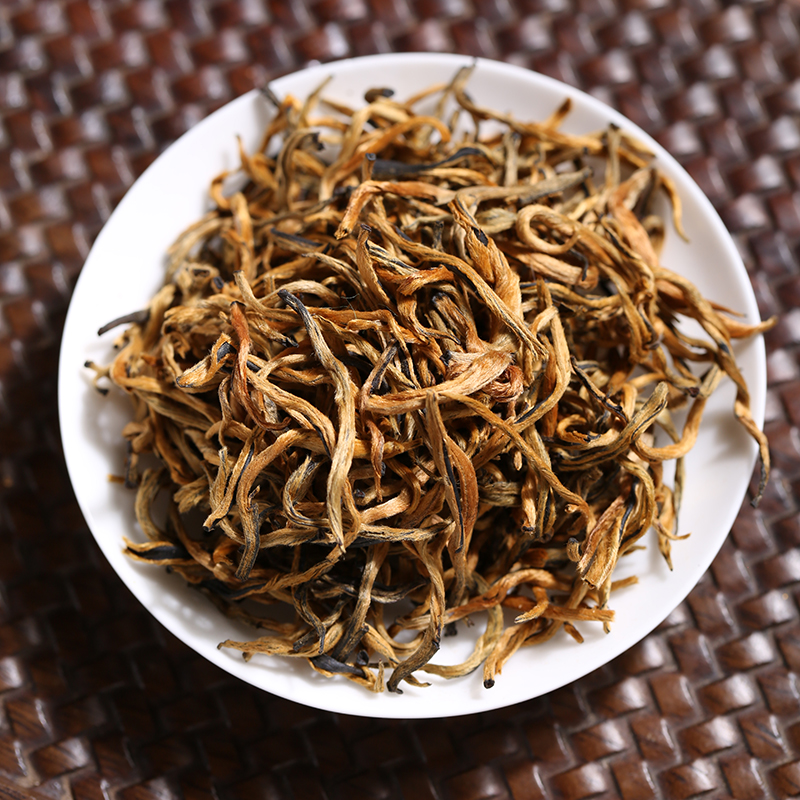
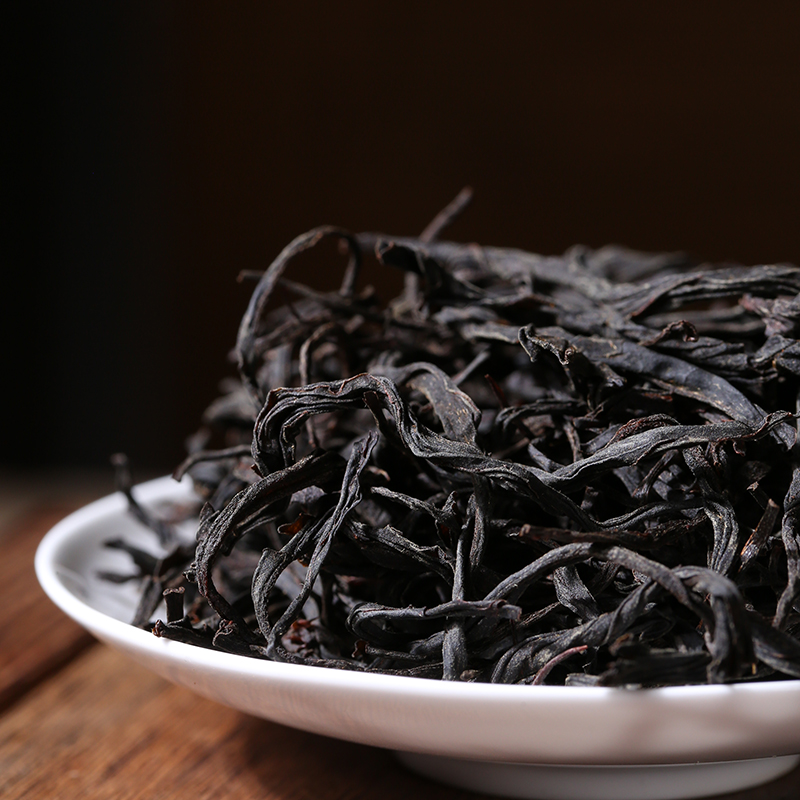
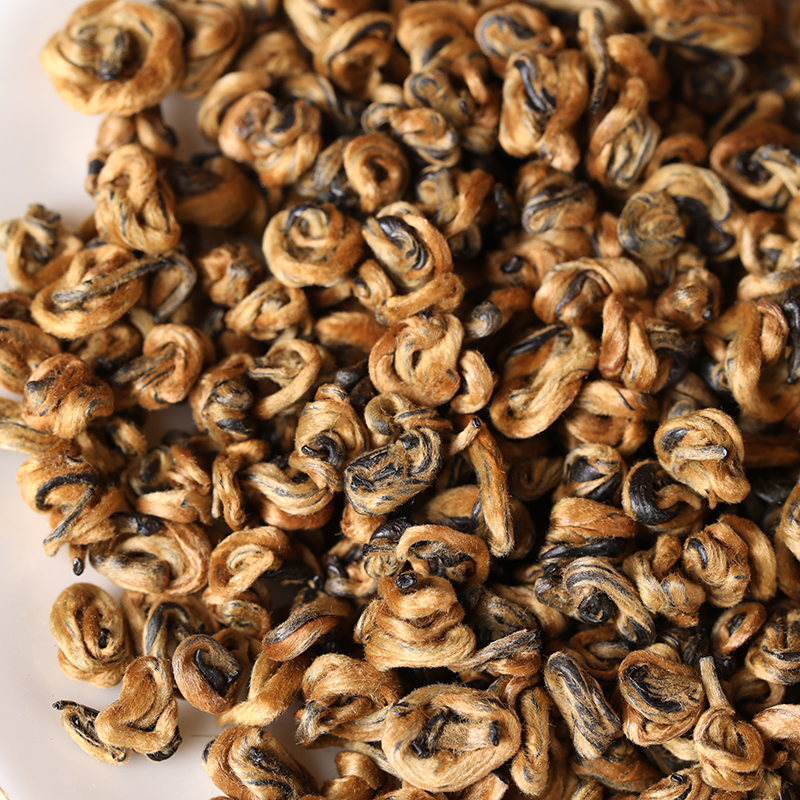
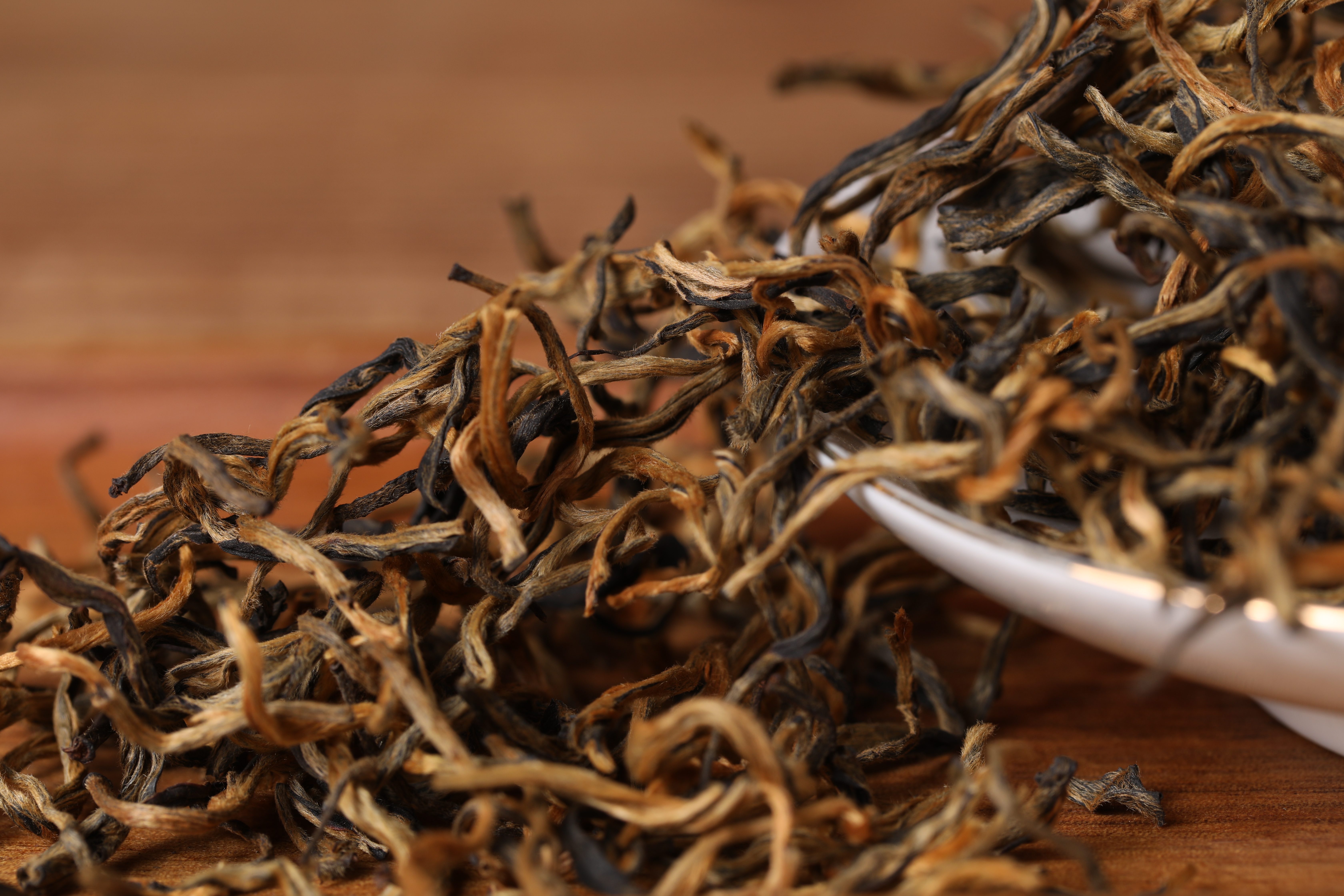
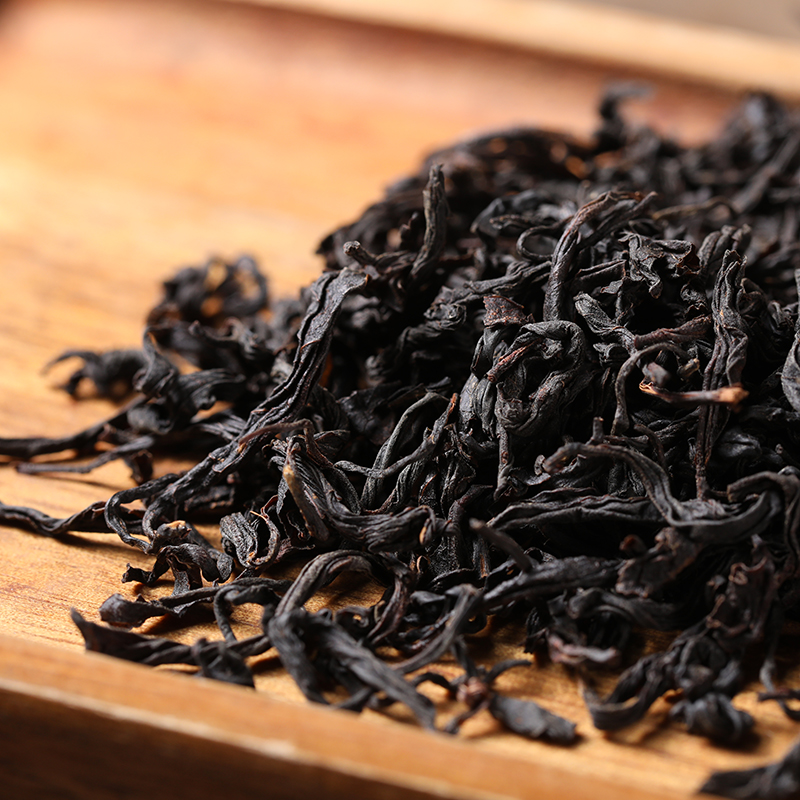
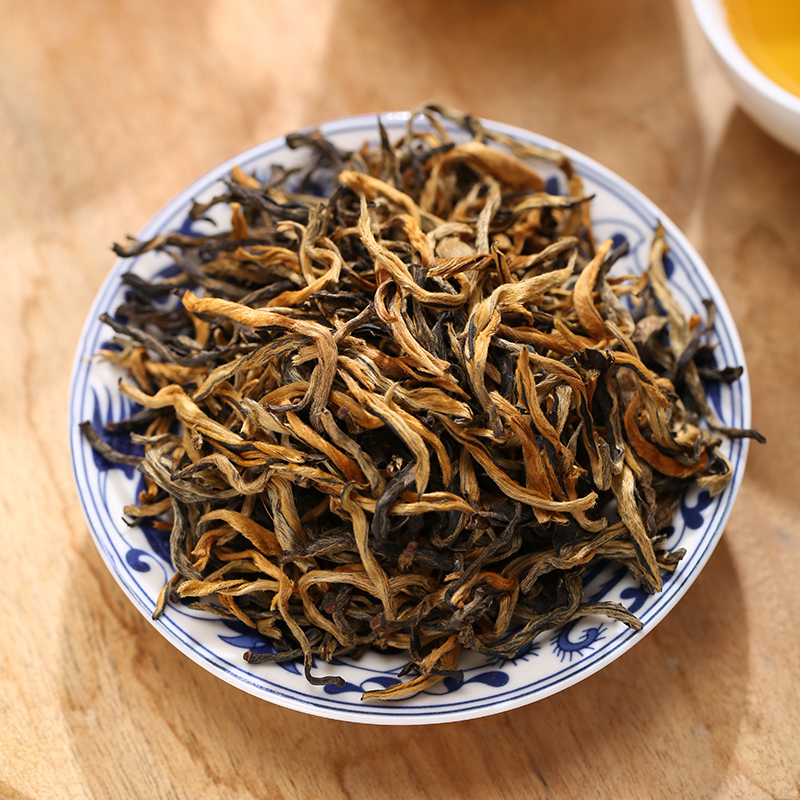
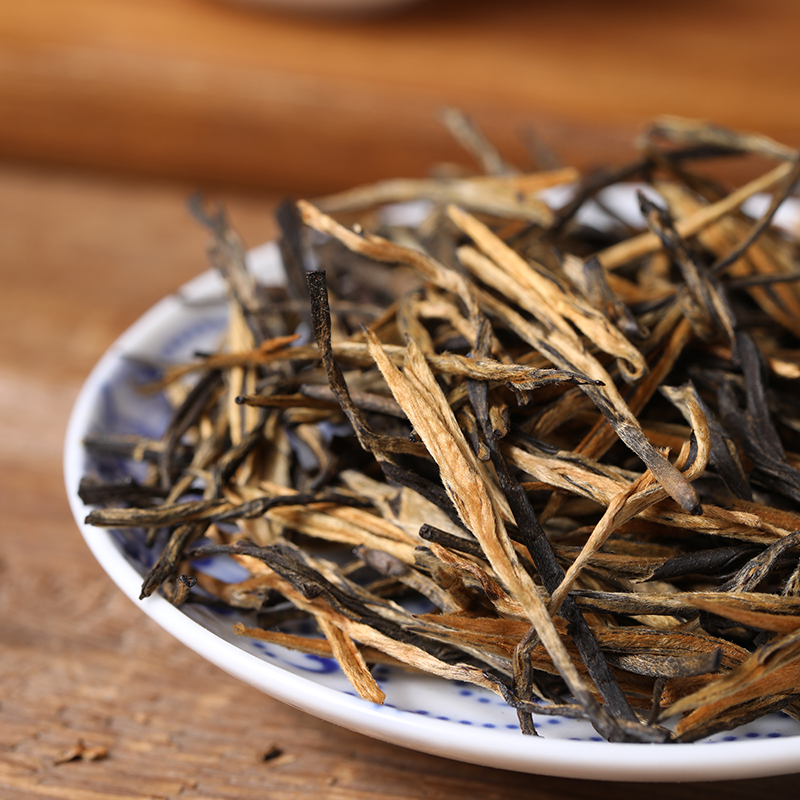
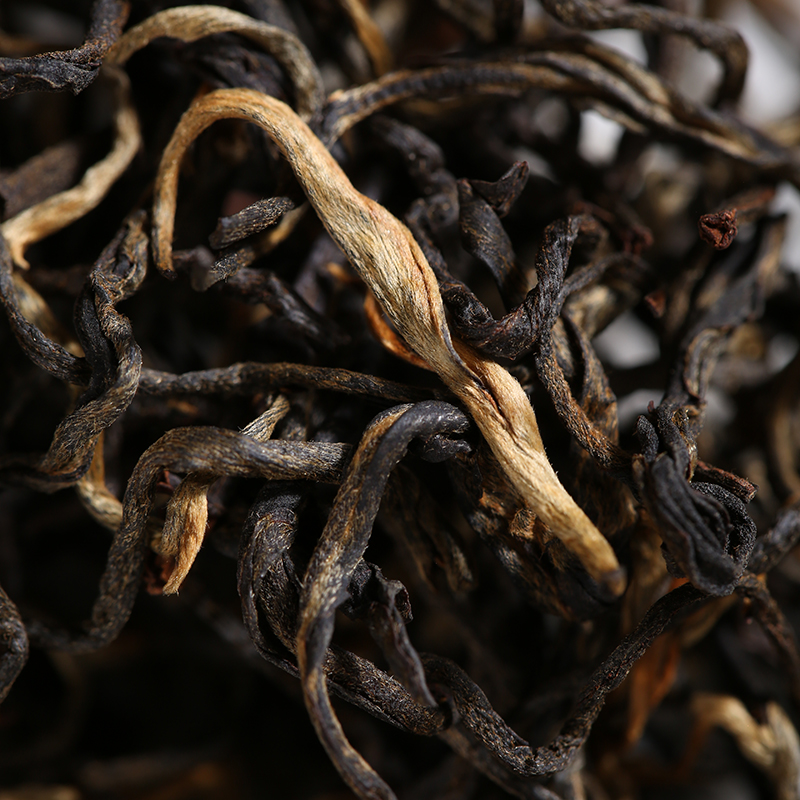
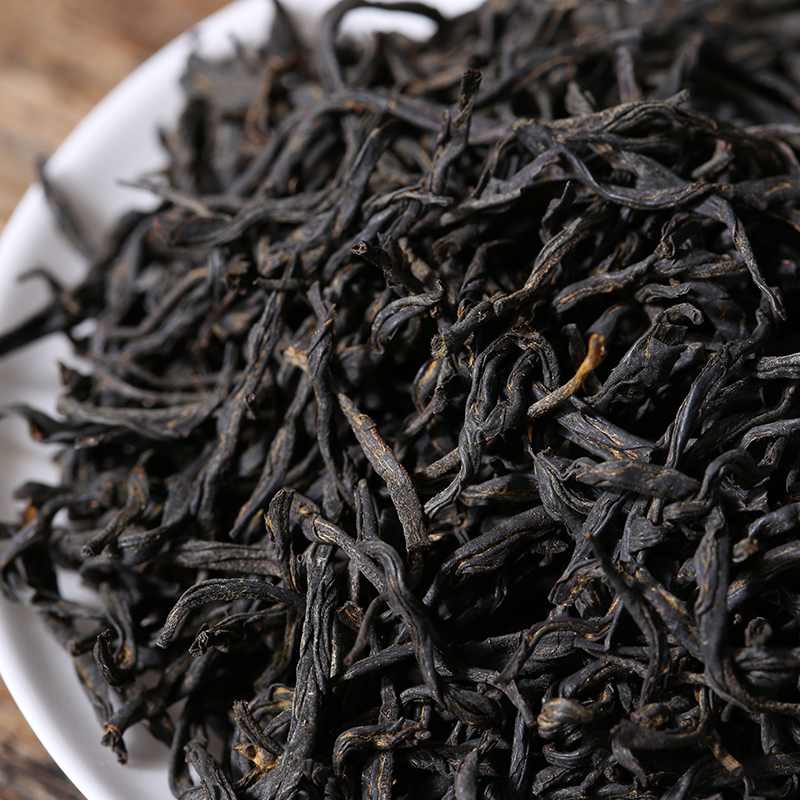
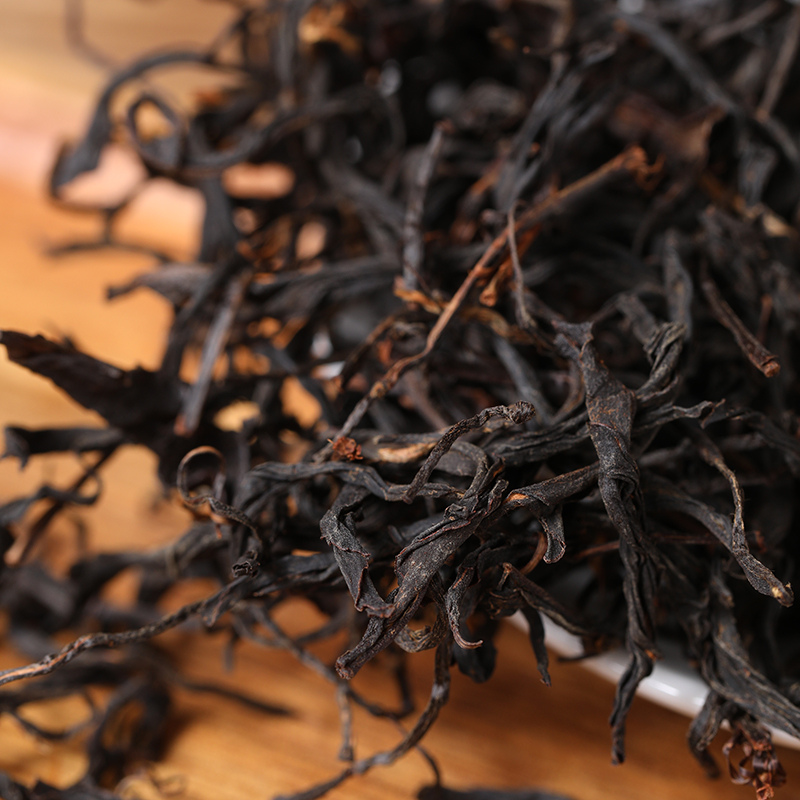
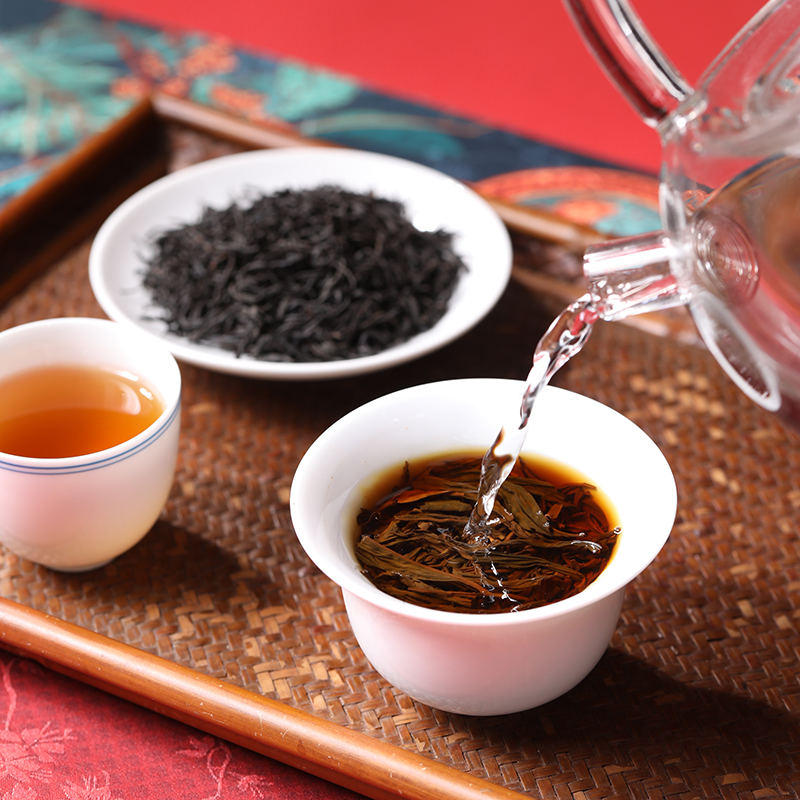
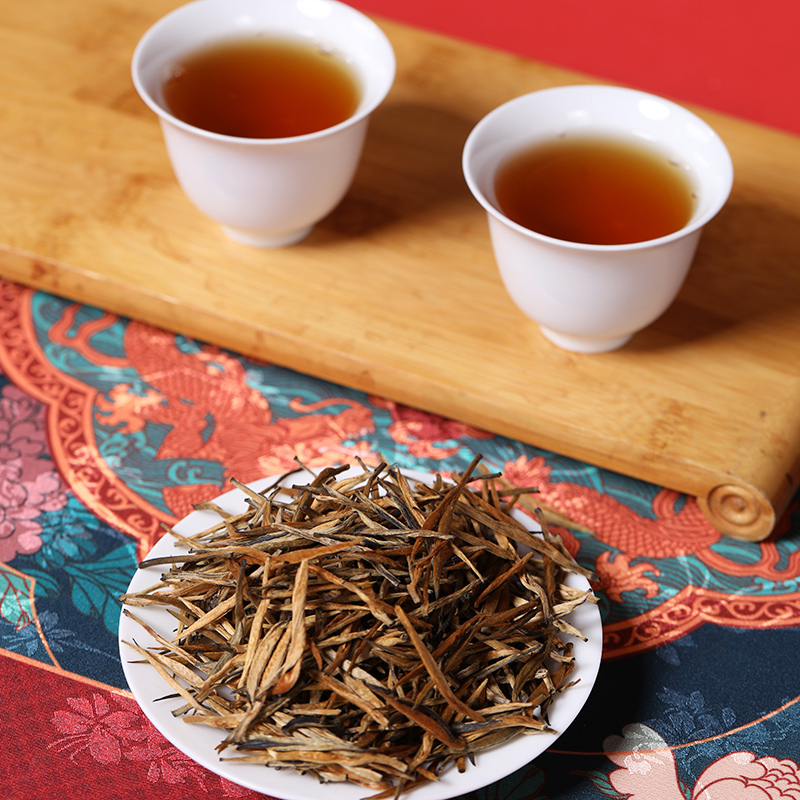
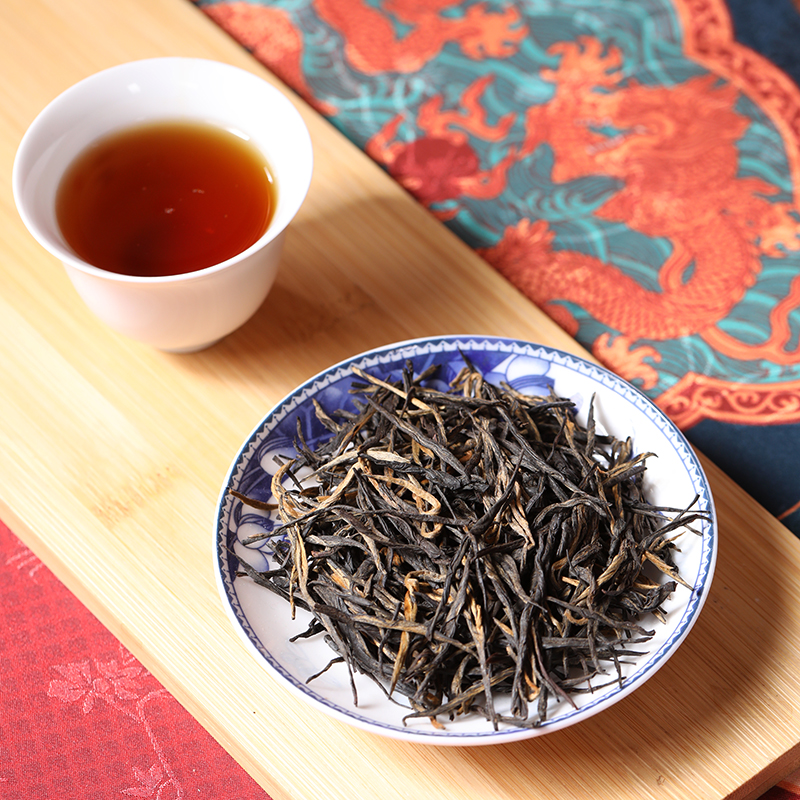
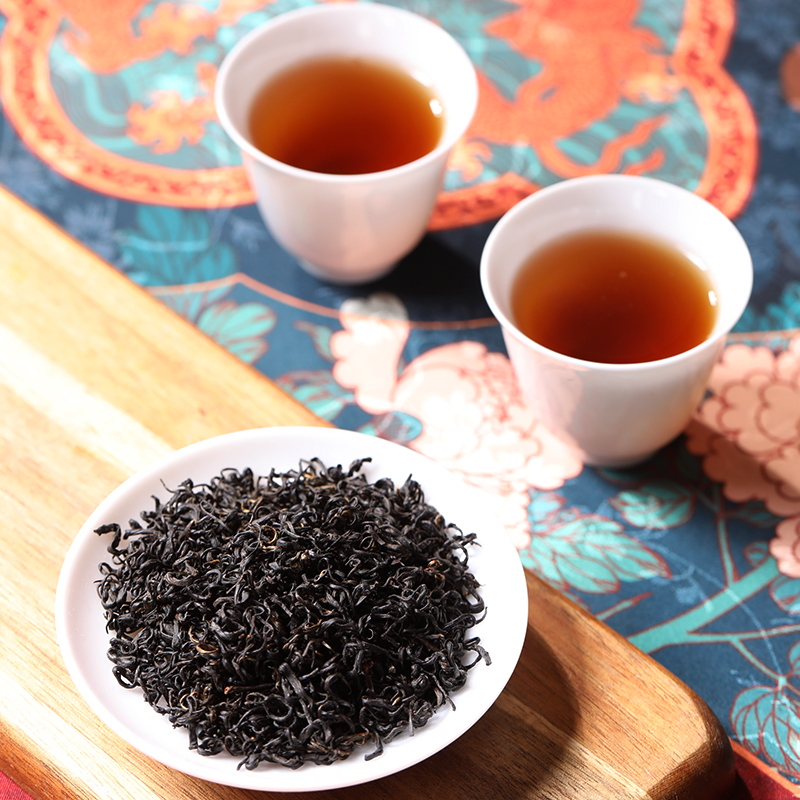
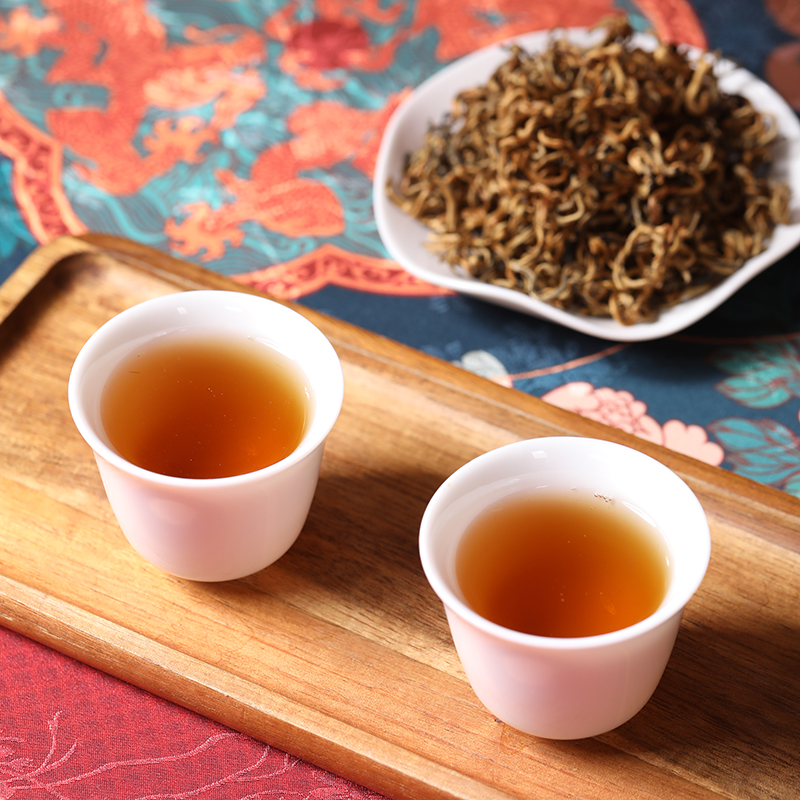
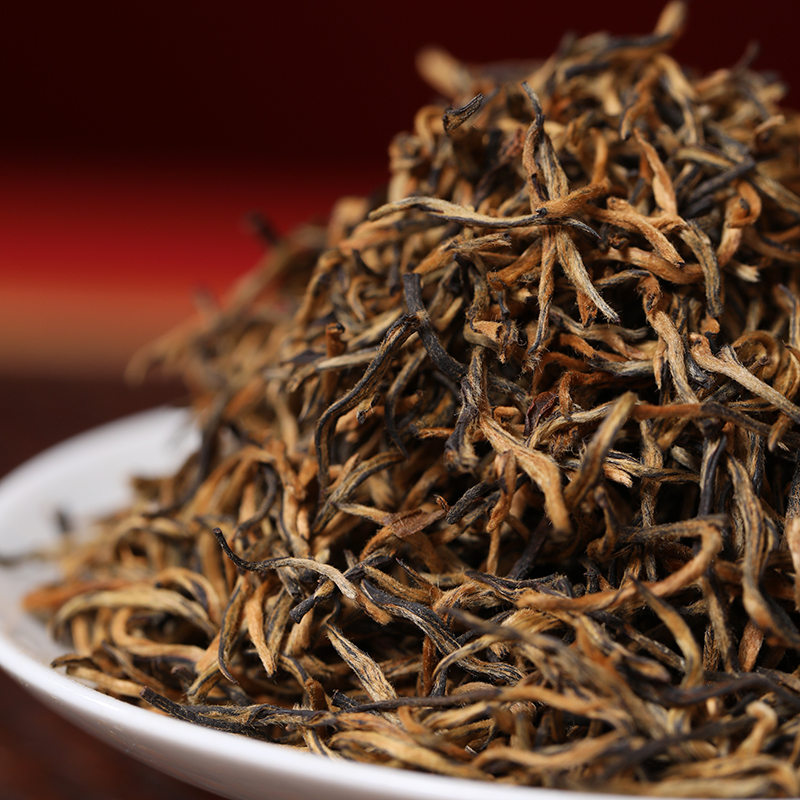
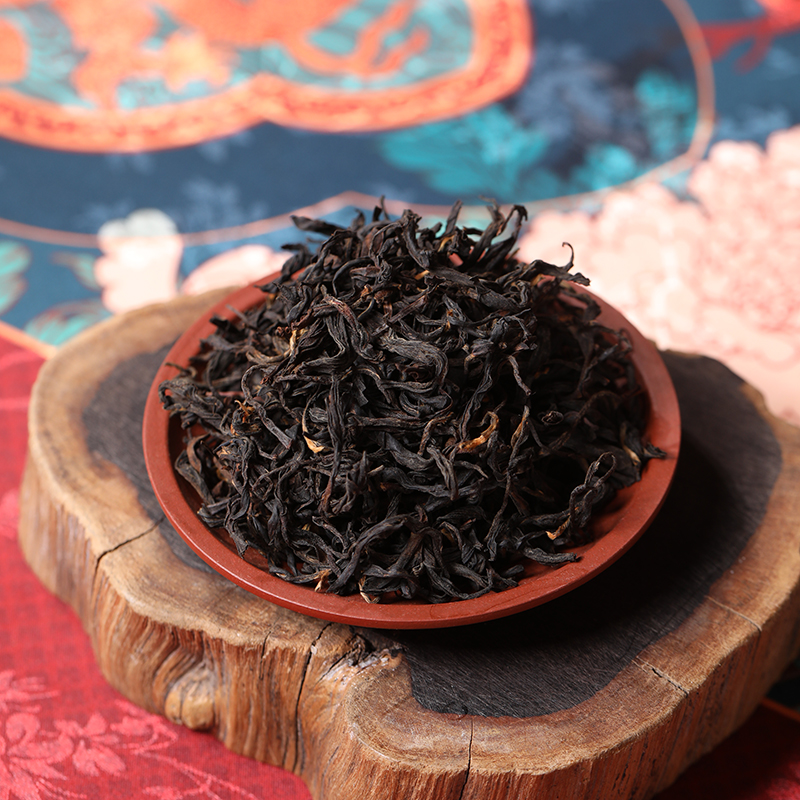
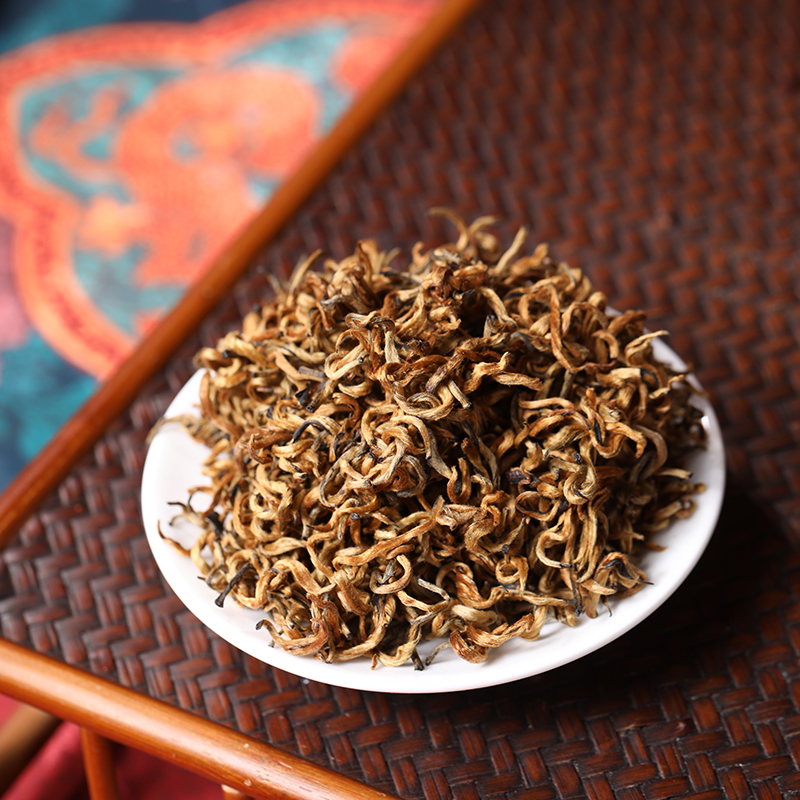
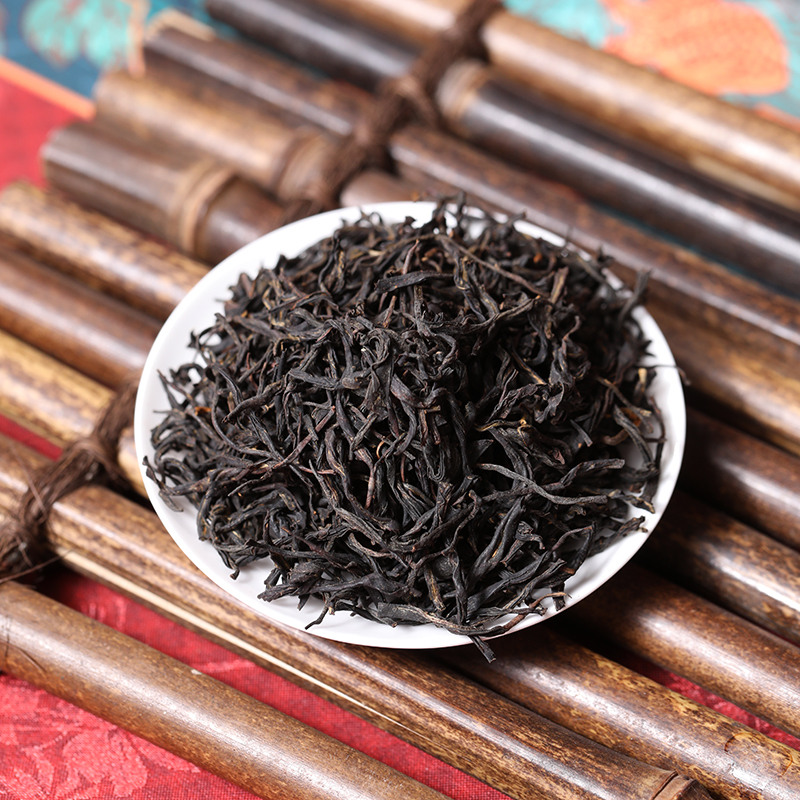
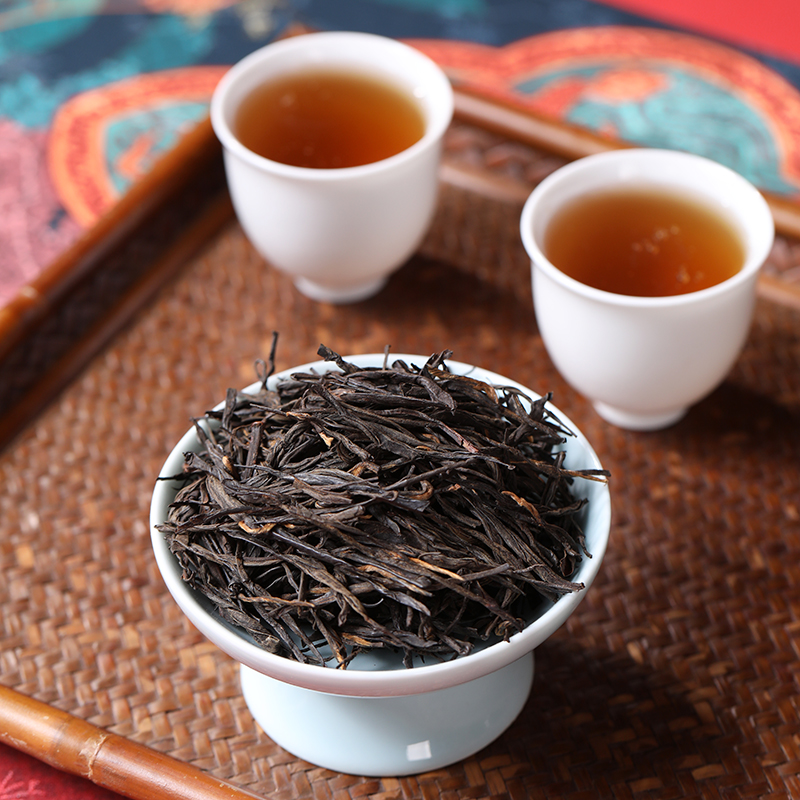
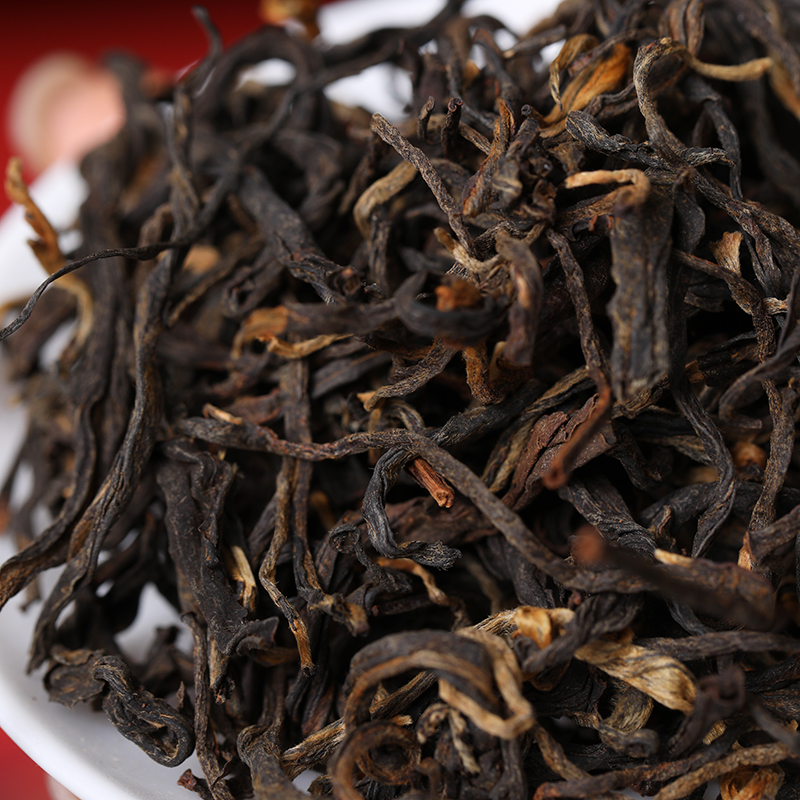
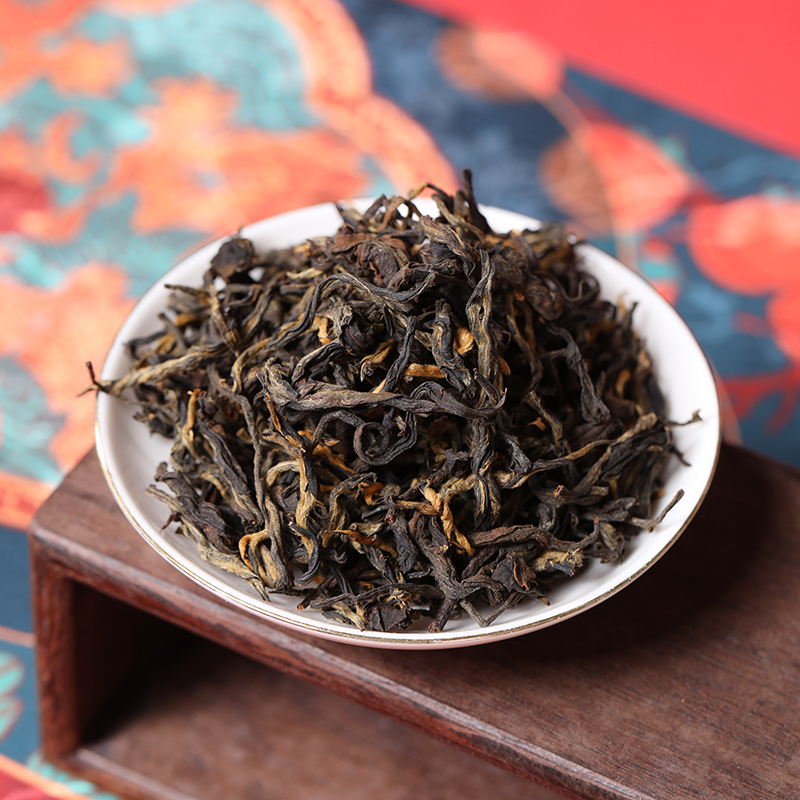
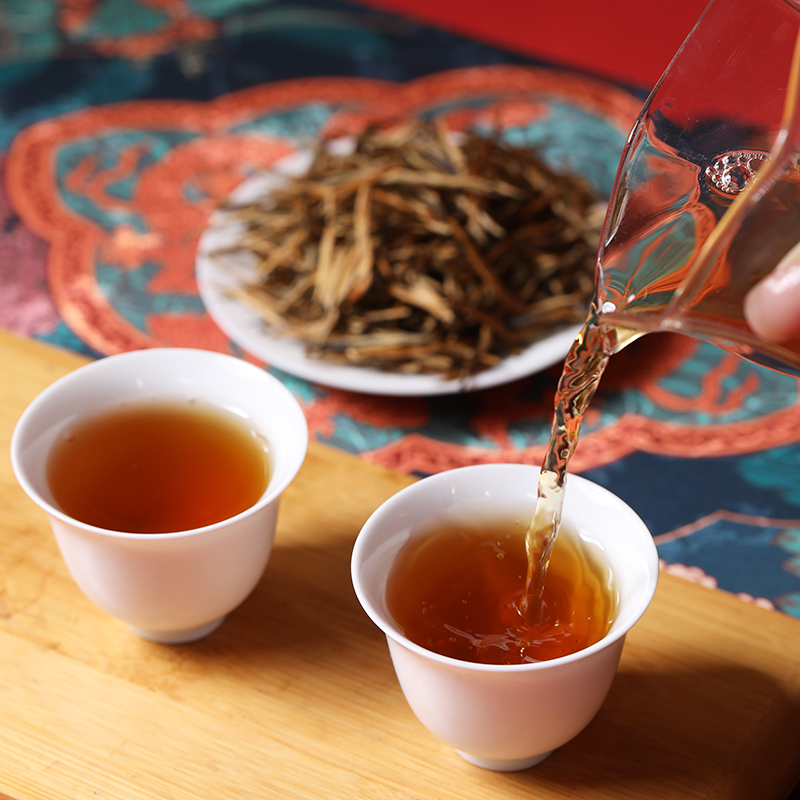
Black tea is a fully fermented tea with a fermentation degree of 80-90%. It is made from tea leaves of tea trees and refined through typical processes such as withering, rolling, fermentation, and drying. During the fermentation process, the originally colorless polyphenols in the tea are oxidized to form red oxidative polymerization products under the catalysis of polyphenol oxidase. Some of them are soluble in water and form red tea soup after brewing, while some are insoluble in water, forming the quality characteristics of black teared soup and red leaves . Black tea is one of the most produced and consumed teas in the world, accounting for more than 70% of the world s total tea sales. Yunnan black tea belongs to the large-leaf black tea. The appearance of Dianhong tea is plump and firm, the taste is mellow and full, and it is durable and durable. It has a fragrant mouthfeel, a lasting aftertaste, and a taste of red wine and fruit. According to the shape of the finished product, Dianhong tea can be divided into varieties such as Dianhong Golden Needle, Dianhong Pine Needle, Dianhong Golden Bud, Dianhong Golden Snail and Dianhong Golden Silk.

Dark Tea

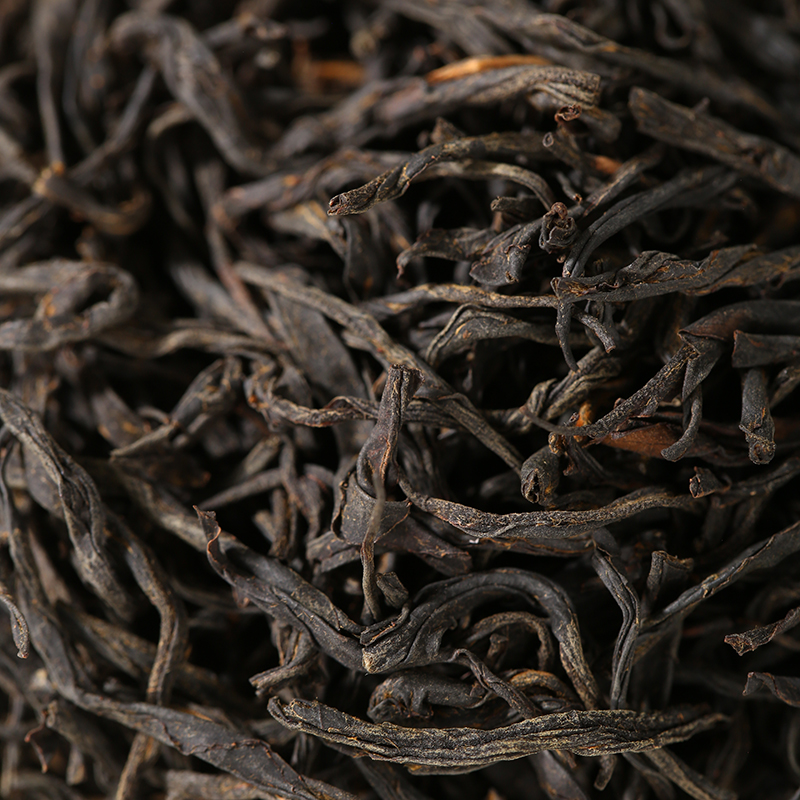
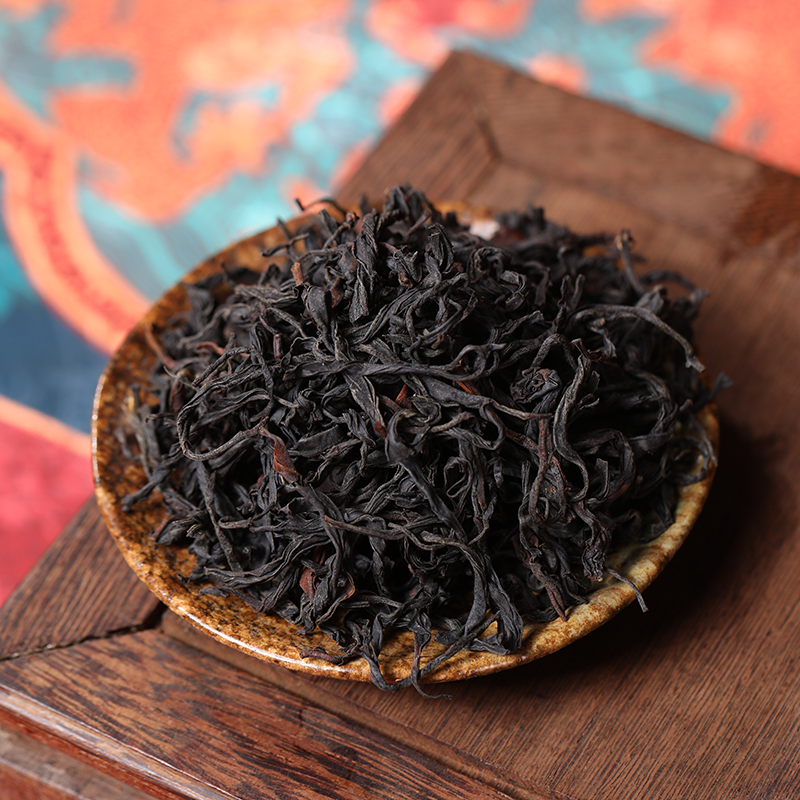
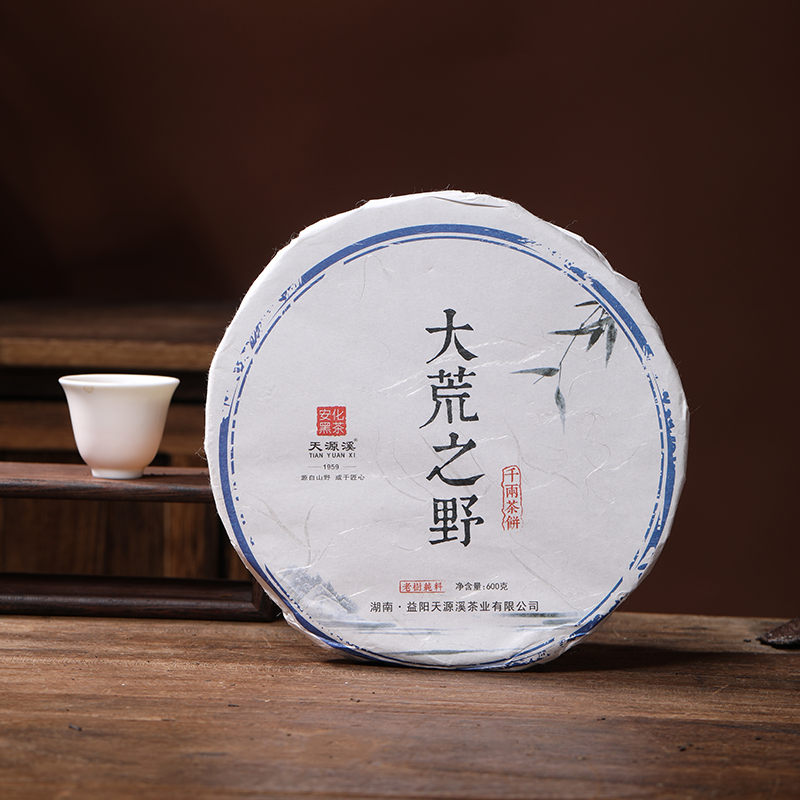
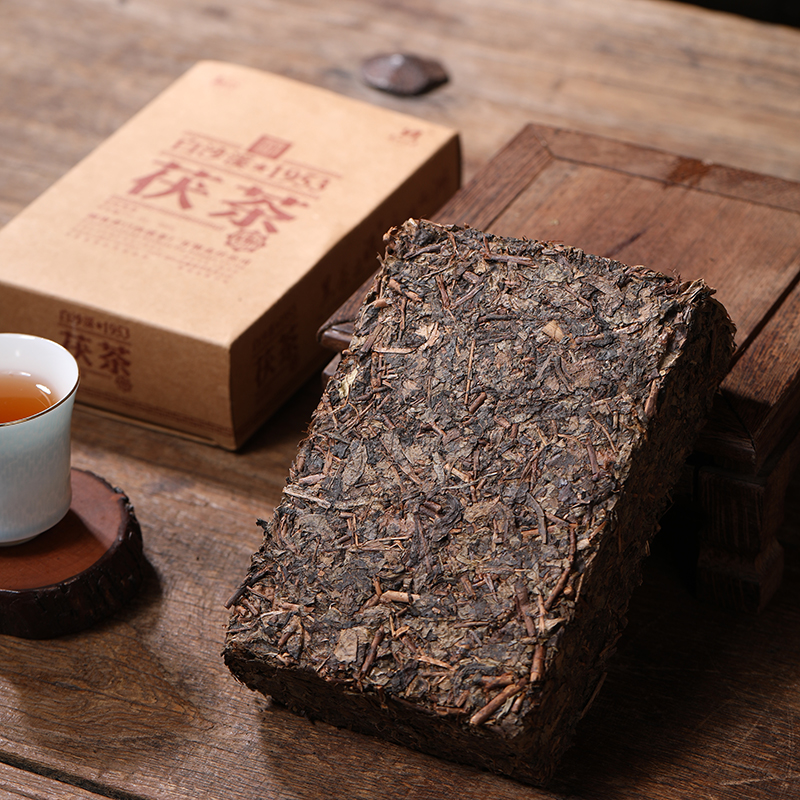
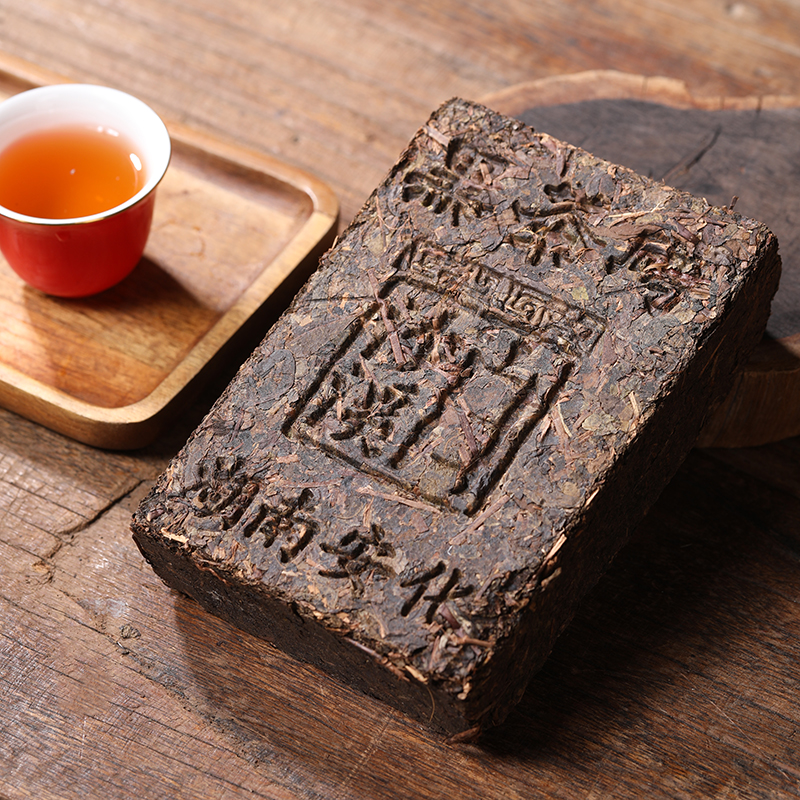
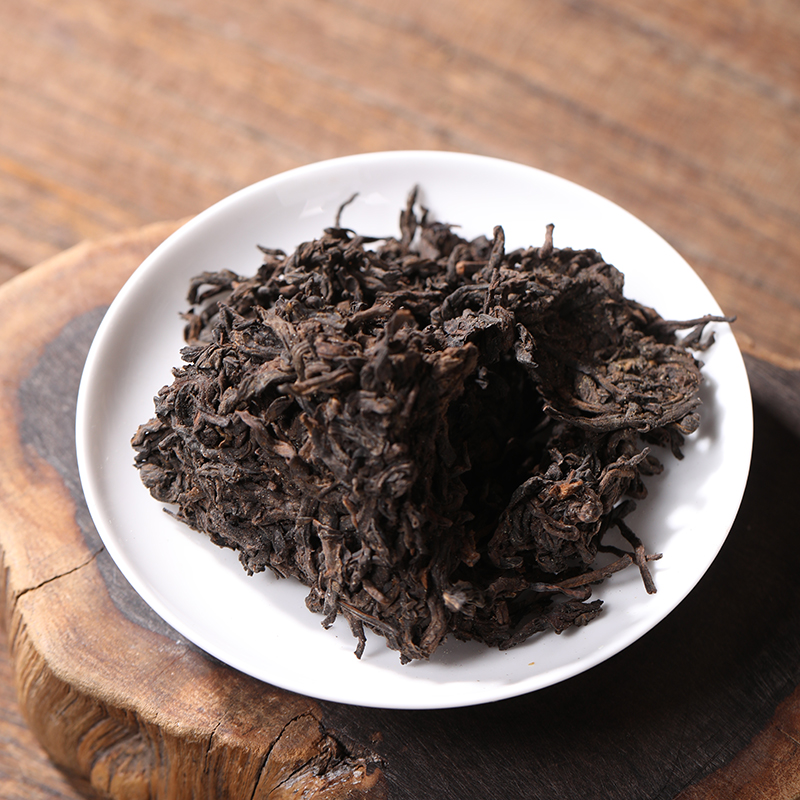
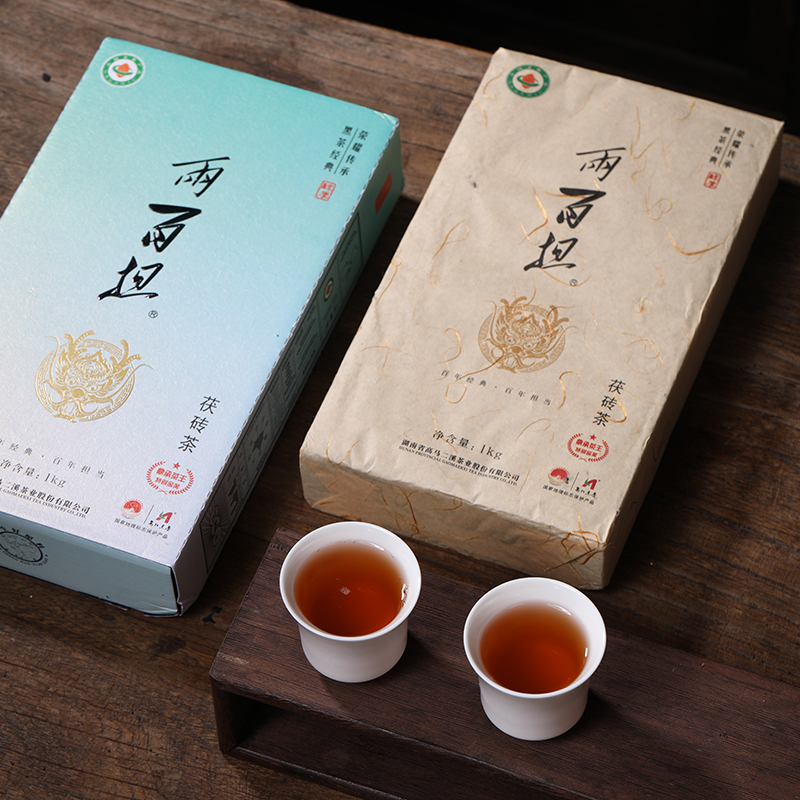
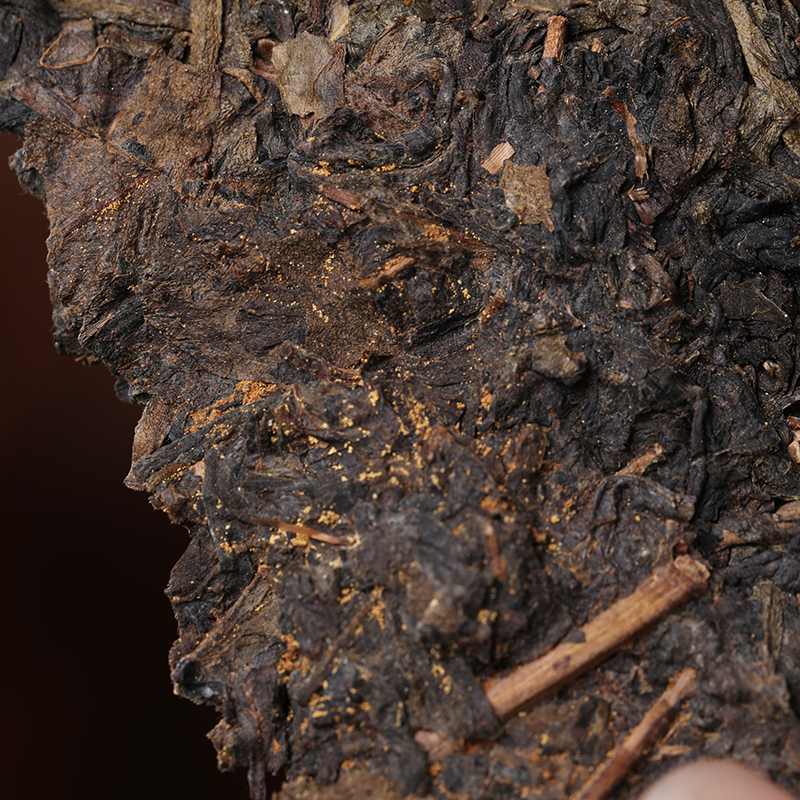
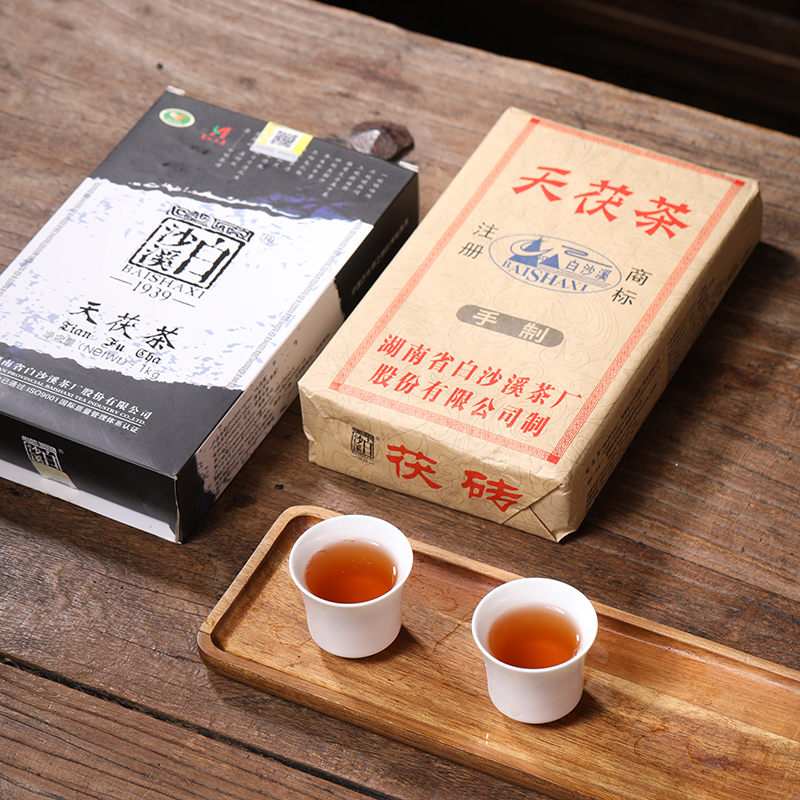
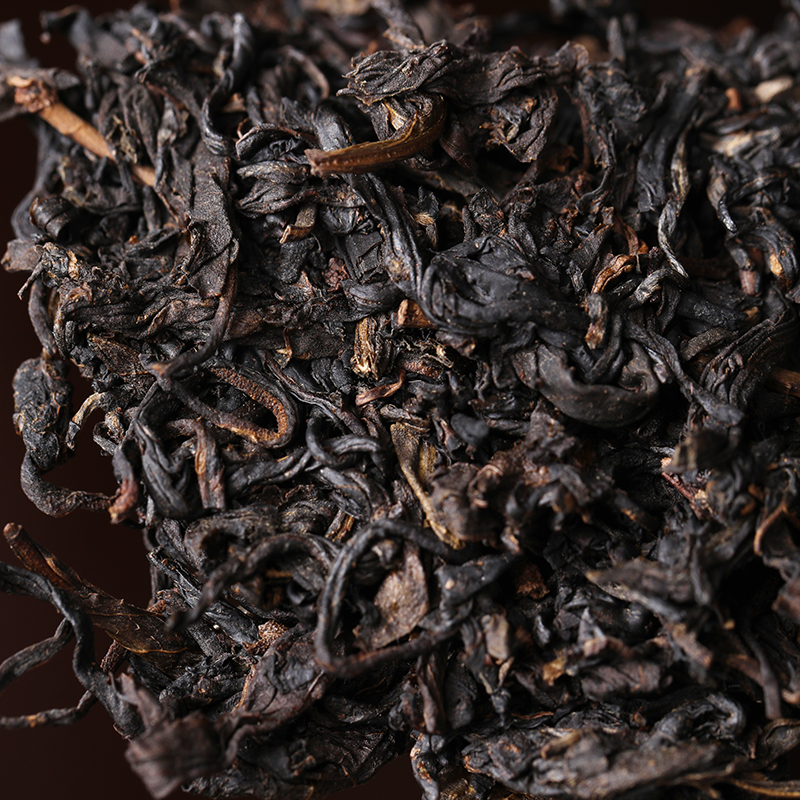
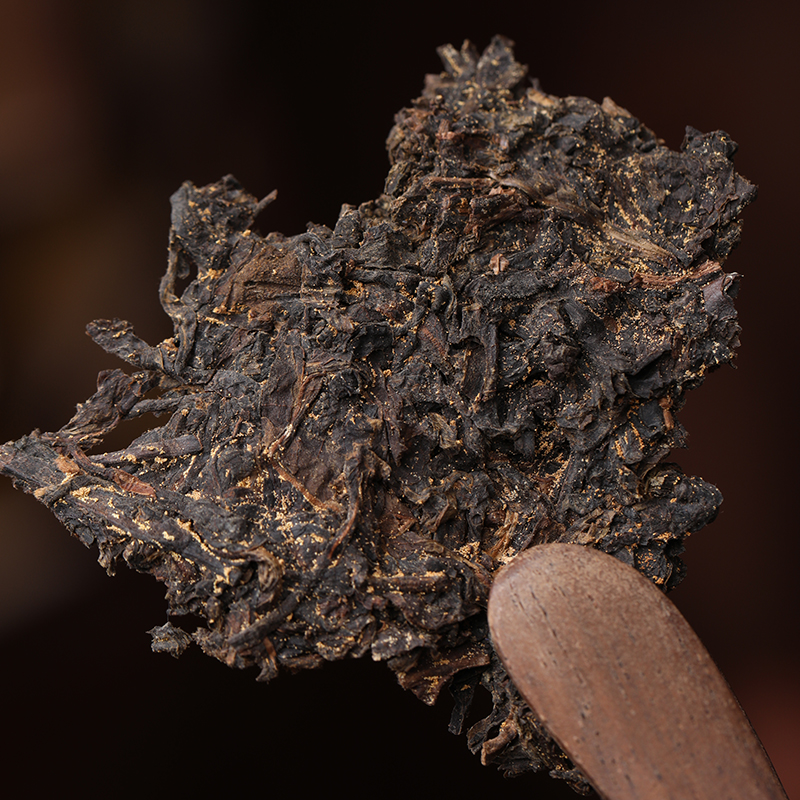
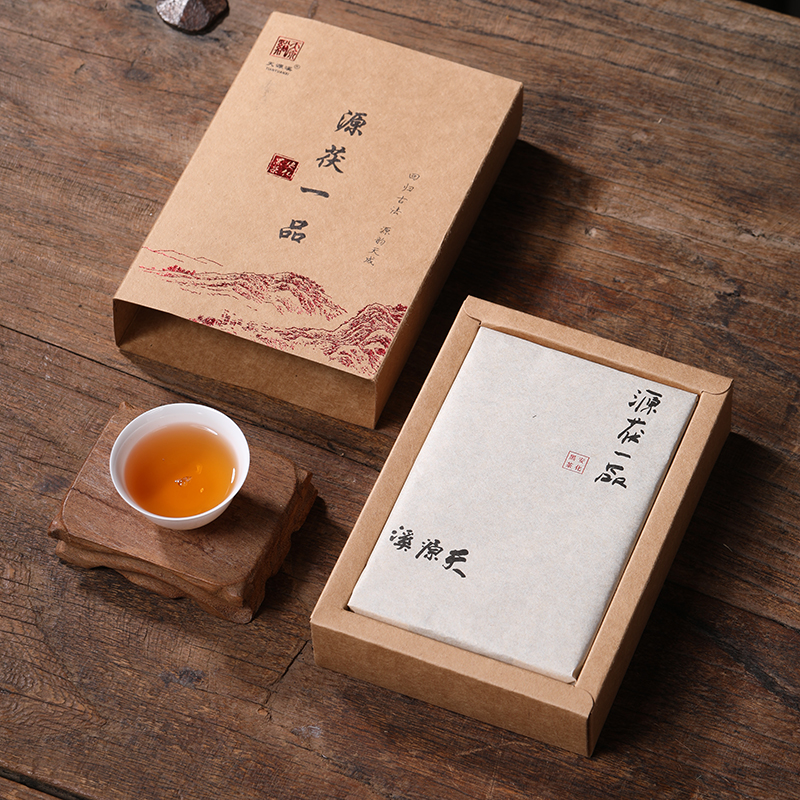
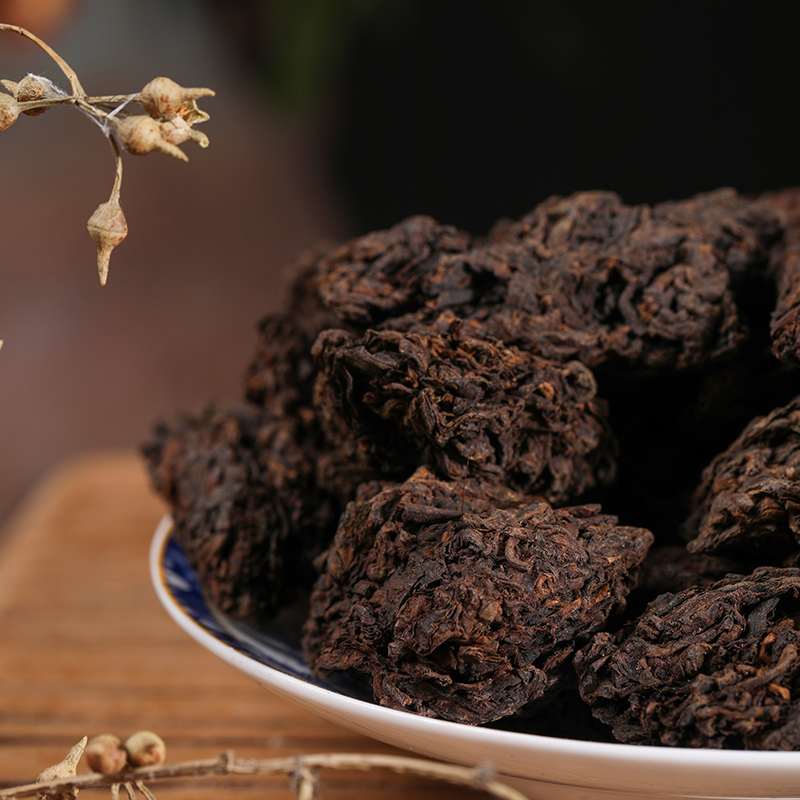
Dark tea is a post-fermented tea with a fermentation degree of 90-100%. It is mainly produced in Yunnan, Hunan, Hubei, Guangxi, Sichuan, Anhui and other places. Its production process includes the steps of killing green, rolling, piling and drying. Piling is the key process to form the unique flavor of dark tea. Through the microbial fermentation during the piling process, the tea leaves produce a unique aroma and taste.There are many varieties of dark tea, mainly including Ancha, Liubao tea, Huajuan tea, Fuzhuan tea, black brick tea, Huazhuan tea, Xiangjian tea, Qingzhuan tea, etc. These varieties have their own characteristics, and the aroma and taste are also different. Dark tea has the shape of strip loose tea, cake shape, brick shape, etc. The color is green brown or black and oily, and the soup color is orange or brown, reddish brown. Dark tea has a mellow and smooth taste, sweet and delicate, and sufficient throat rhyme. It has the reputation of "the older the better".
Pu-erh Tea

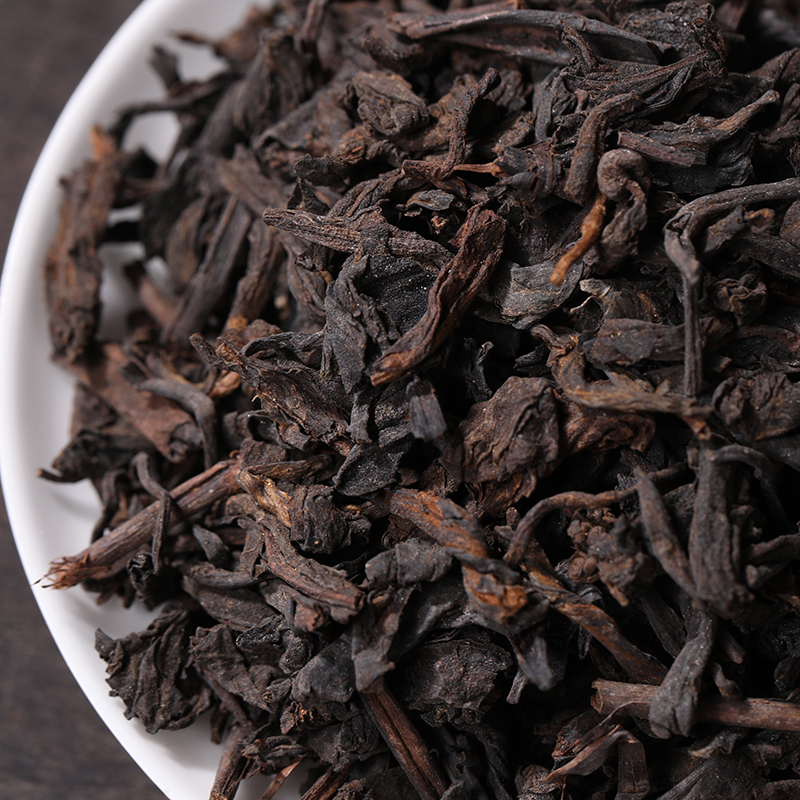
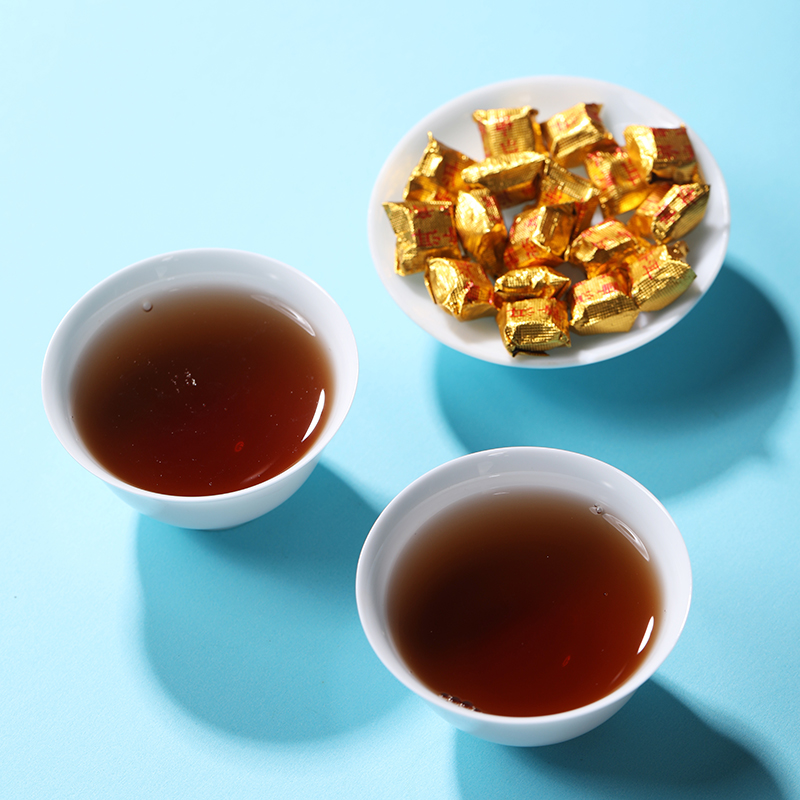
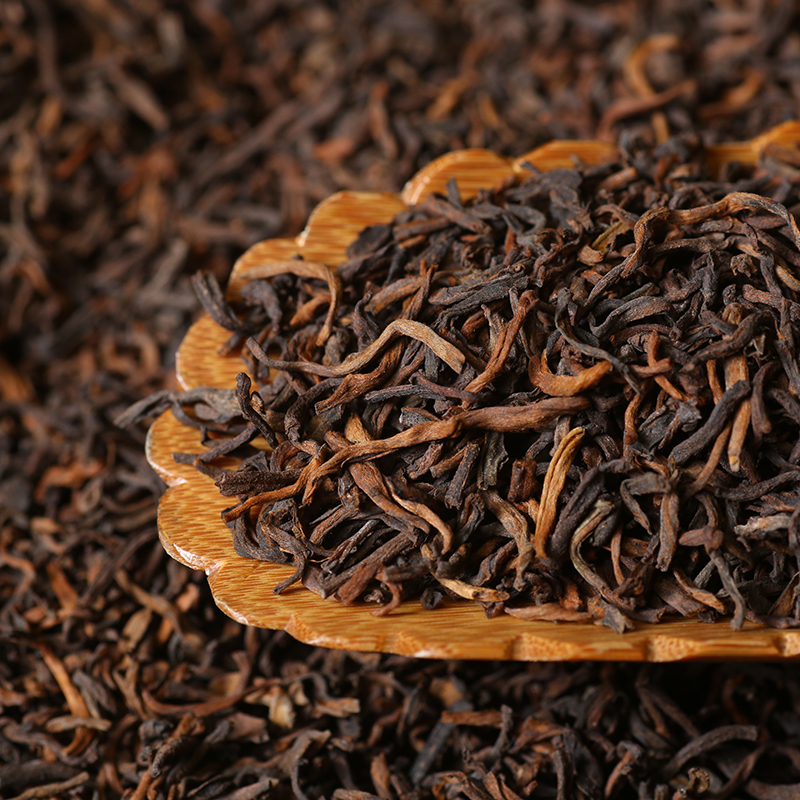
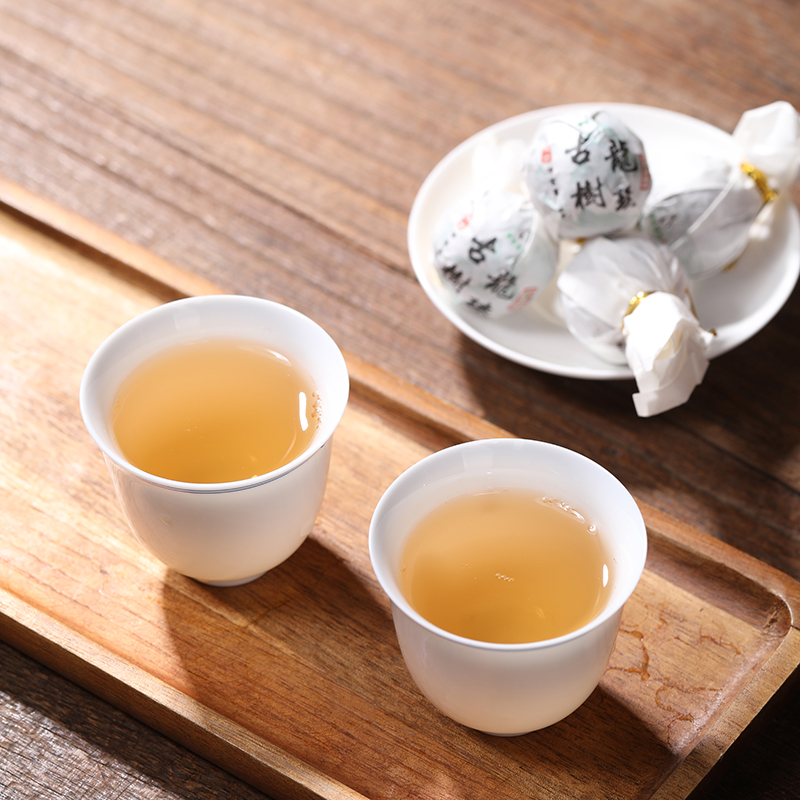
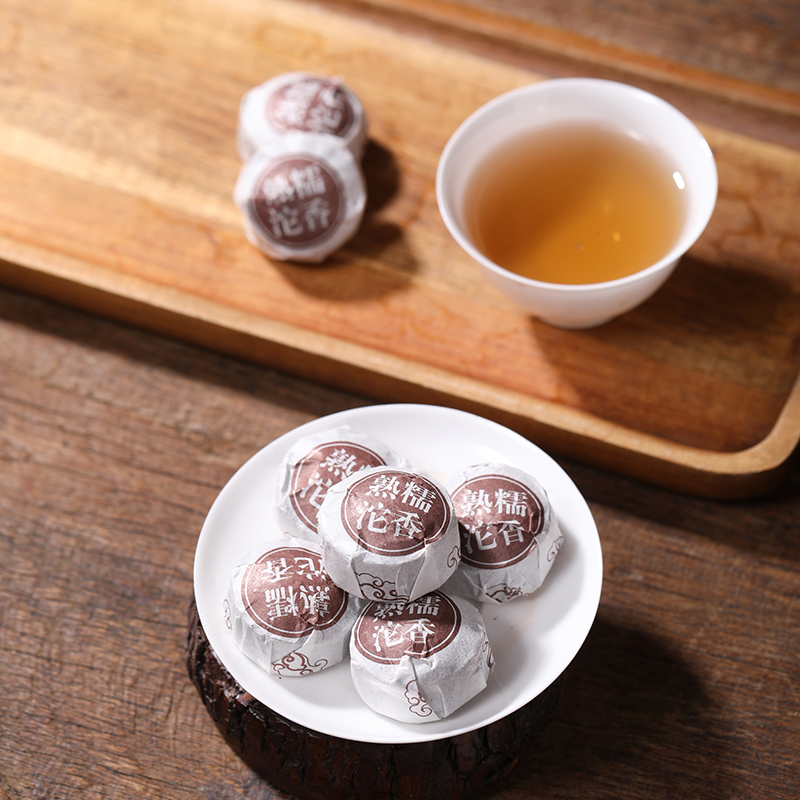
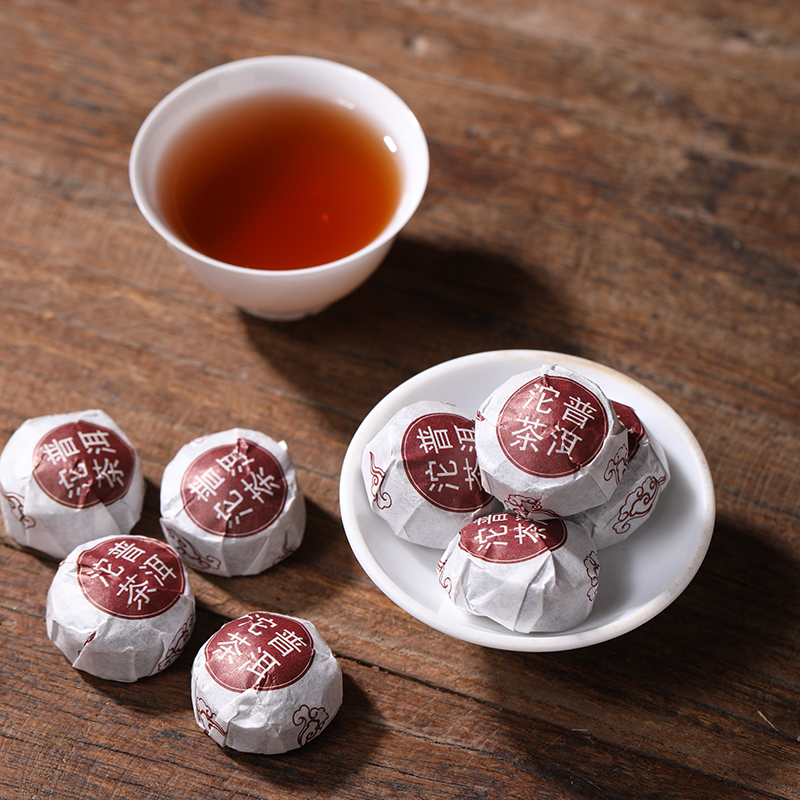
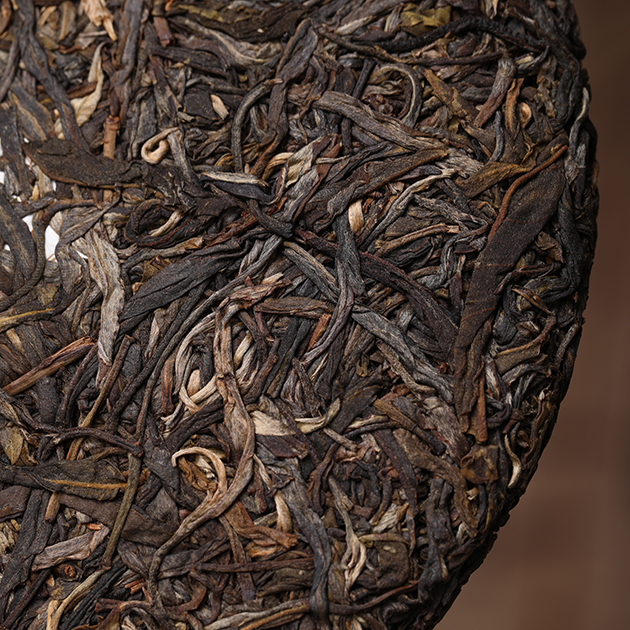
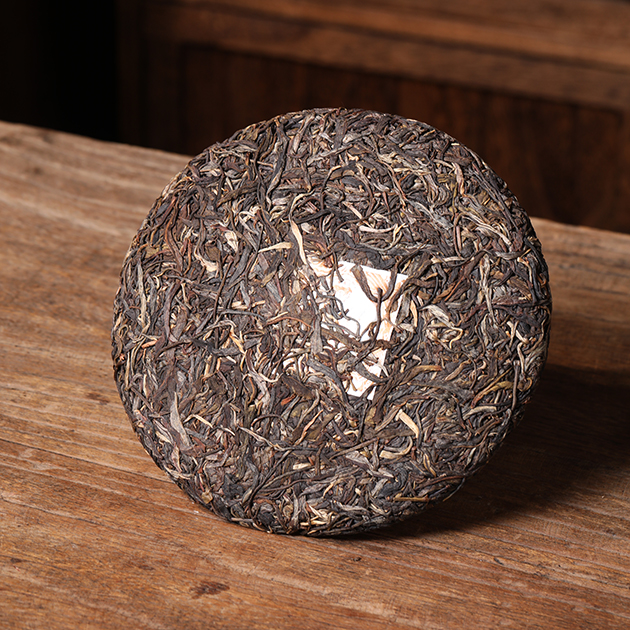
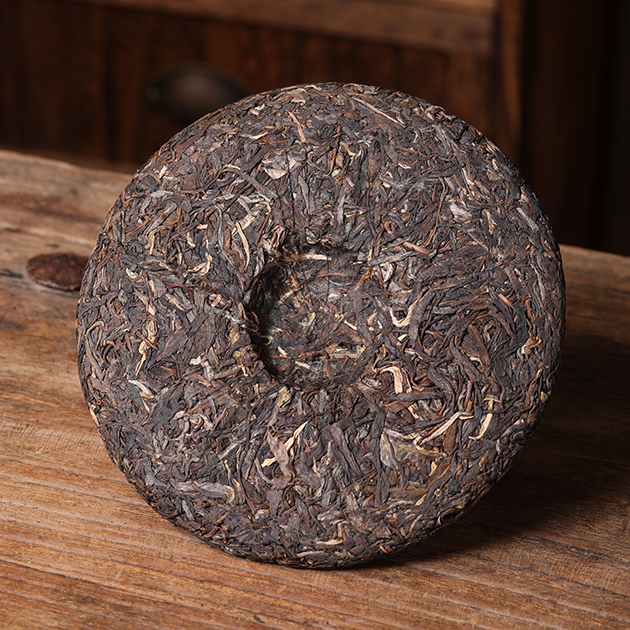
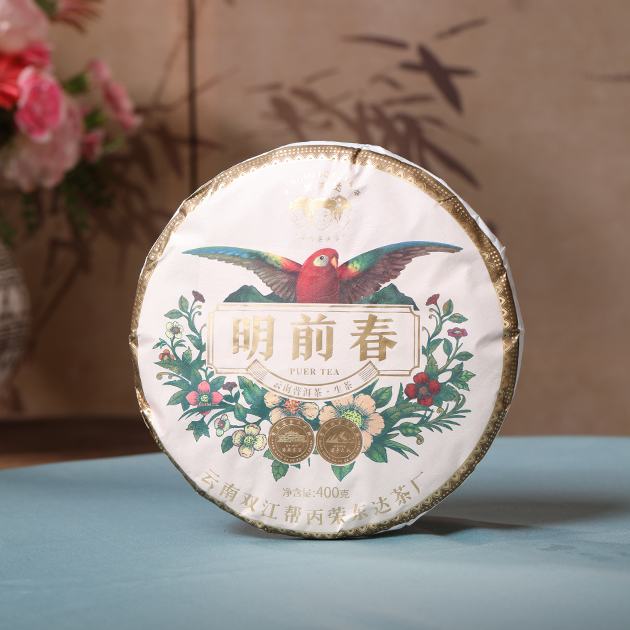
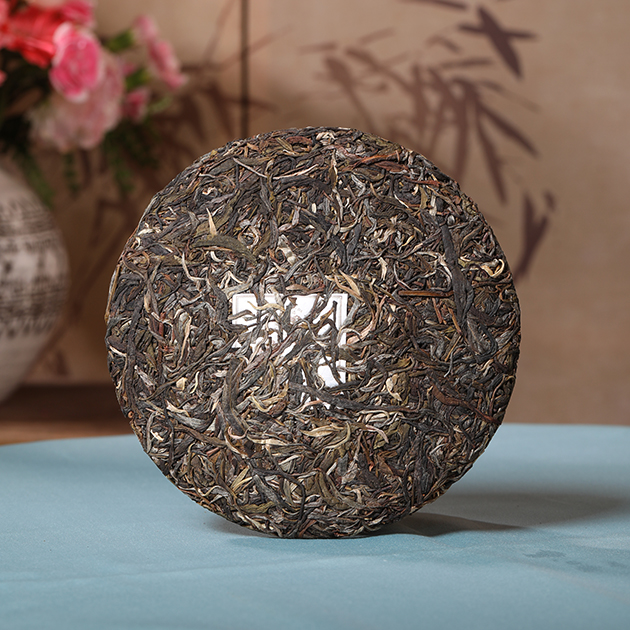
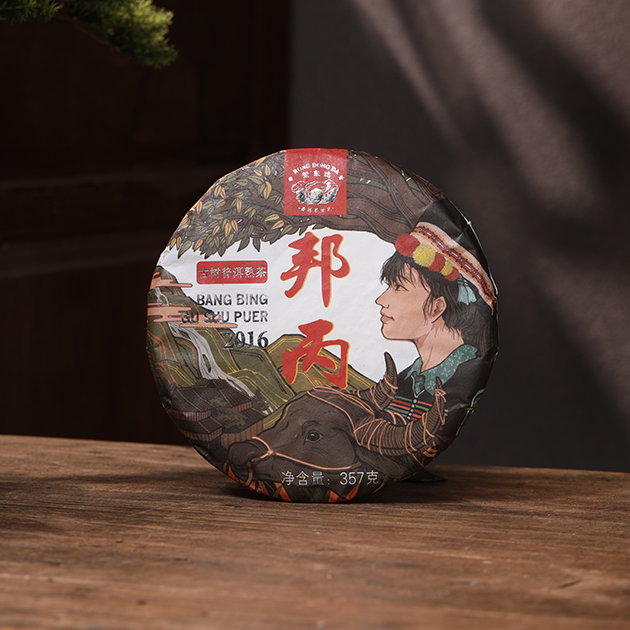
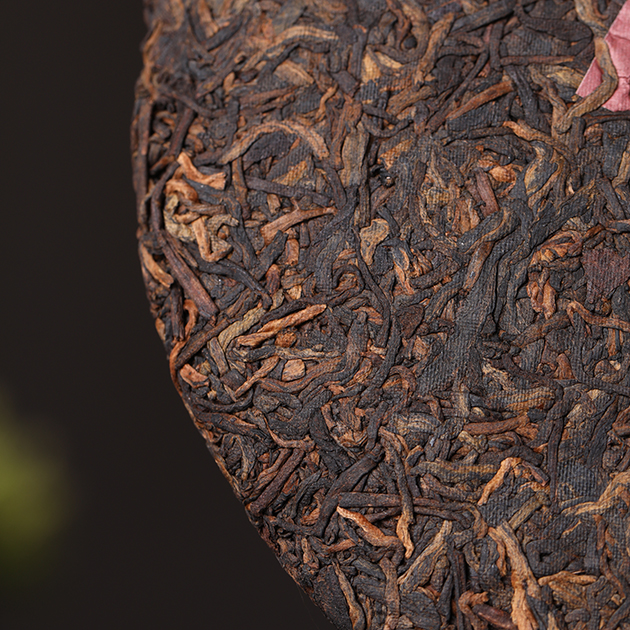
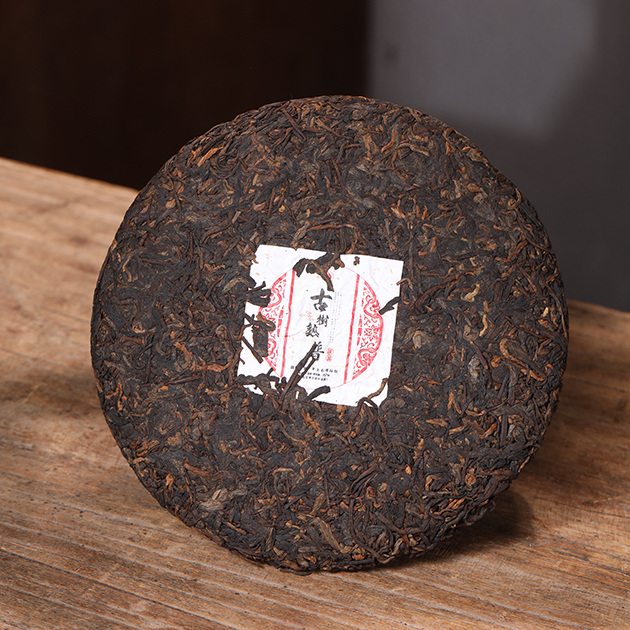
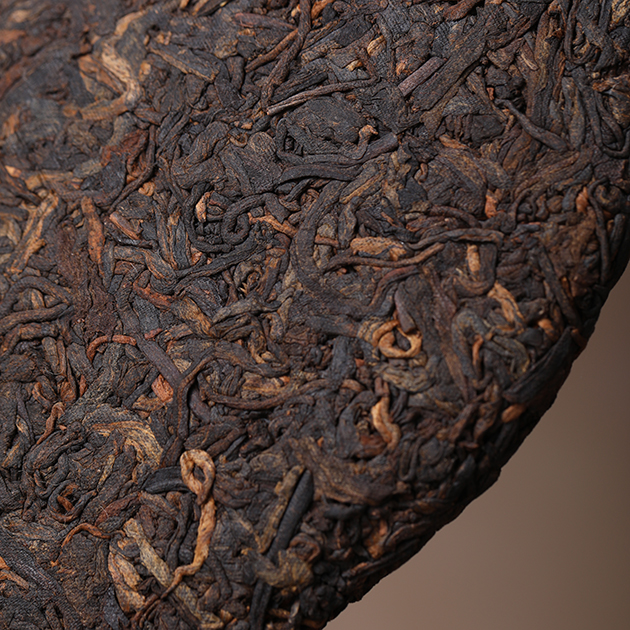
Pu-erh tea is also a kind of black tea. It is made from sun-dried green tea made from large-leafed Yunnan tea. It is plump, thick and compact in appearance, brown-red or grayish-white in color, and has a bright red soup color. It has a strong aged aroma, a mellow taste, and a smooth and sweet aftertaste. Modern Pu er tea includes two categories: loose Pu er tea and compressed Pu-erh tea. Loose Pu er tea uses relatively tender Yunnan green tea as the main blending raw material, and is made after the unique ripening of Pu-erhtea. Compressed Pu-erh tea uses tender Yunnan green tea as the main ingredient, and also uses coarse tea of ​​different grades as the inner tea or the wrapped tea. The colors of Pu-erh compressed tea include Tuo tea, cake tea, square tea, compressed tea, round tea, etc. Pu-erh tea is divided into raw tea and cooked tea. The tea soup of dry-stored raw Pu-erh tea is chestnut red, and the tea soup of cooked tea is dark chestnut, even close to black. Raw tea and cooked tea can be distinguished from aroma, soup color and leaf bottom.